
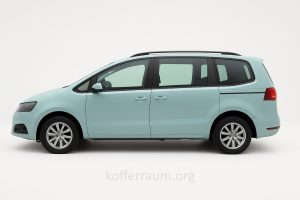
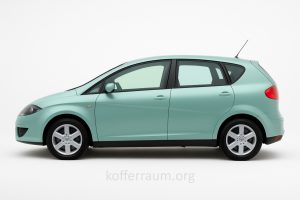
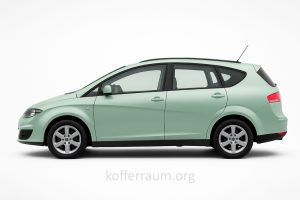
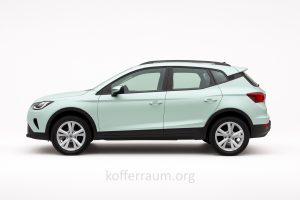

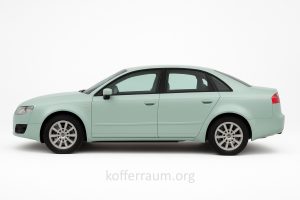
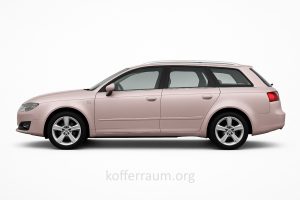
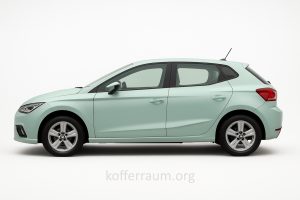
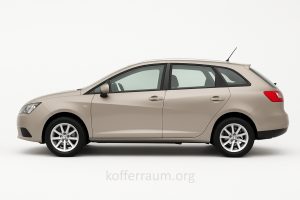

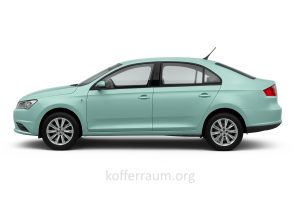
SEAT has carved out a distinctive niche in the European market: accessible, design-led cars that are genuinely capable in daily life. Born in Barcelona at a time of economic growth, the brand has evolved under the umbrella of the Volkswagen Group to offer practical hatchbacks, reliable family SUVs and, more recently, a clear push into electrification. What makes SEAT interesting is not just its price point, but its ability to fuse Spanish flair with German engineering discipline.
The company can trace its roots to the 1950s, when Spain sought to rebuild manufacturing capability in the wake of post-war austerity. SEAT stands for Sociedad Española de Automóviles de Turismo, and its early cars were designed to move ordinary people rather than chase prestige. In 1986, SEAT became part of the VW Group, a union that tempered its bold, sometimes loud styling with the efficiency, build quality and long-term planning of a global conglomerate. The result is a brand that feels both distinctively European and reliably mainstream.
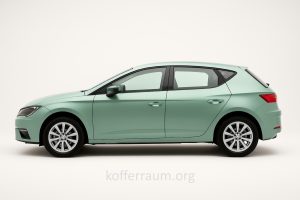
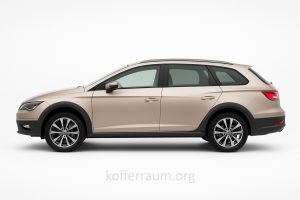
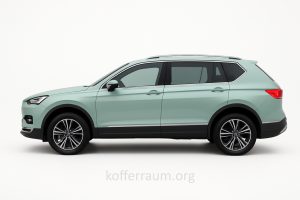
Within the current range, SEAT’s strength lies in breadth and practicality. The Ibiza remains the archetype: compact and clever, with a cabin that makes clever use of space and a chassis that offers a composed ride without fuss. The Leon, available as a hatchback and estate, has evolved into a keen all-rounder, balancing accessible running costs with a more engaging driving dynamic than many rivals in its segment. On the larger side, the Ateca, Arona and Tarraco demonstrate SEAT’s comfort with the SUV format, delivering generous interior space, solid technology packages and a sense of confidence that is reassuring for family life. The design language—sharp lines, a crisp front end and an attention to interior materials—helps convert a practical brief into something that feels well considered rather than merely economical.
A key part of SEAT’s modern story is its performance arm and its response to a changing market. In 2018, the Cupra sub-brand was established to house sportier, higher-performance versions and, more recently, to act as a standalone brand. Cupra has pushed into the electrified space with the Cupra Born, a warm hatch with strong performance credentials and a more premium feel than many rivals in the same segment. This move signals SEAT’s willingness to diversify beyond conventional family cars while retaining the core values that defined the brand.
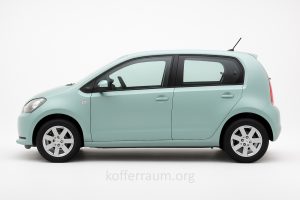
Electrification is no mere afterthought for SEAT. The Mii Electric offered an entry point into city driving, while the Cupra Born points to a future where performance and sustainability go hand in hand. SEAT’s strategy leans into urban mobility, clever packaging, and interiors that feel more premium than their price tag would suggest. It’s a brand that understands its audience: value-conscious customers who still want design, practicality and a touch of personality.
Manufacturing roots remain strong in Spain, with the Martorell plant and other facilities delivering steady output for European markets and beyond. SEAT’s dealer network emphasises aftercare and value retention, reinforcing a perception of reliability that many buyers tie to the VW Group’s broader engineering standards. In a crowded marketplace, SEAT’s formula—solid engineering, clear design and a willingness to push into electrification—remains compelling.
In short, SEAT is a brand that has grown up without losing its sense of fun. It offers everyday usability with a dash of Spanish energy, and its future-facing strategy suggests it will continue to adapt while preserving the core appeal that has kept it relevant for decades.