
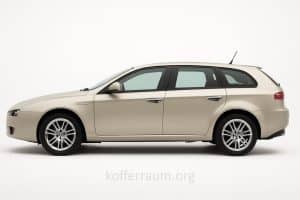
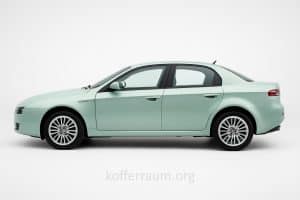
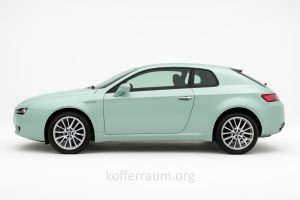
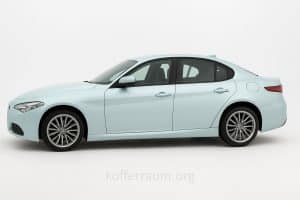
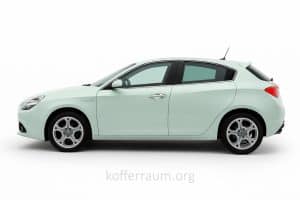
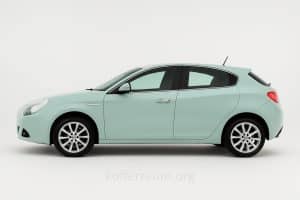
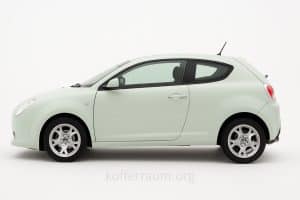
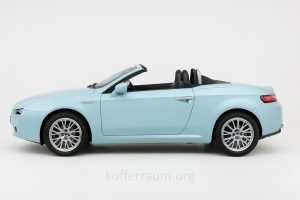

Alfa Romeo, the Milan-born marque, stands as one of the most evocative names in modern motoring. Its cars are not simply transport; they are stories on four wheels, designed to provoke a reaction as much as to move you from A to B. Across decades Alfa Romeo has balanced Italian flair with uncompromising engineering, delivering machines that appeal to the head and the heart in equal measure. The brand’s promise remains clear: driving should feel alive, tactile, and distinctly human, even when pace and precision are pressed to the limit.
Founded in 1910 as A.L.F.A., Anonima Lombarda Fabbrica Automobili, in the heart of Milan, the company quickly established a reputation for speed, elegance and a certain audacity. After a reorganisation and the arrival of Nicola Romeo in the late 1910s, the firm grew into an international symbol of sporting intent. Alfa Romeo’s racing pedigree is not a peripheral chapter but the living core of the brand; from early grand prix machines to post‑war successors, Alfa has learned that victory on the track translates into chassis that communicate with the driver through the steering wheel, pedals and seat. This connection remains a driving philosophy rather than a mere engineering choice.
Design is Alfa Romeo’s primary calling card. The shield-shaped grille, sculpted flanks and carefully judged fender lines create a silhouette that feels both aerodynamic and alive at rest. Inside, materials rise to the occasion, with refined trims and a driver‑centred cockpit that rewards precise inputs. The brand’s signature scudetto badge sits proudly on the bonnet, while a century of racing DNA manifests in chassis geometry that favours balance over brute mass. It is a philosophy that makes even everyday models feel purposeful, not merely practical.
Behind the wheel, Alfa Romeo’s heritage translates into a characterful driving experience. The steering tends to carry a communicative heft, the throttle response is immediate, and the chassis is tuned for a connected, intimate rapport with the road. Modern Alfas retain rear- or all‑wheel‑drive layouts where possible, with dampers and limited-slip differentials calibrated for engaging dynamics at pace. The Quadrifoglio editions, in particular, couple Ferrari‑bred V6 power with razor‑sharp cornering and a soundtrack that invites a smile. Yet even more accessible models balance sporty intent with everyday comfort, reminding you that driving remains a sensory act, not a mere checklist.
Among the brand’s milestones are the Giulia sedan, the Spider lineage, and the 4C and 8C sportscars that demonstrated Alfa’s ability to blend lightness with serious performance. The Giulia, with its rear‑wheel‑drive balance and high‑performance variants, challenged premium rivals on merit. The 4C popularised a lightweight, mid‑engine ethos with a carbon fibre tub, while the 8C showcased how a modern halo model could fuse Italian styling with a technically daring chassis. For many enthusiasts, the badge signals a commitment to an experience, not just a car.
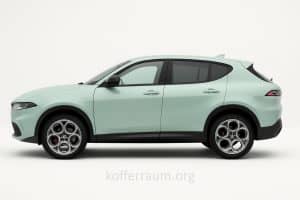
Today, the core line‑up centres on the Giulia and Stelvio, with the Tonale expanding the range into electrified propulsion. Quadrifoglio variants continue to define the brand’s performance ethos, while plans for further electrification promise to keep Alfa Romeo true to its roots: emotion driving the engineering, rather than the other way around.