


Chrysler is one of the oldest continuous automakers in the United States, a name that has long symbolised American optimism, engineering ambition and a knack for practical luxury. Born in 1925 when Walter P. Chrysler refashioned the Maxwell Motor Company and joined forces with the Dodge Brothers, the brand set out to offer premium engineering at a mass-market price. The winged badge that many readers will recognise first appeared in the 1930s, a visual cue that Chrysler was aiming higher—without losing sight of everyday usability.
From the outset, Chrysler cultivated a reputation for clever engineering and generous interiors. The company pioneered features that would become industry standards and helped shift the automotive landscape from a mere conveyance to a portable lounge, a trend that has endured in various guises ever since. The early decades were shaped by bold experiments and durable engineering, including powertrains and suspensions that balanced ride comfort with real-world reliability. The name also gained a reputation for performance prowess, culminating in the legendary 1950s and 1960s models that bore the “300” badge—a statement car that paired high speed with quiet, refined interiors.
The mid‑century era cemented Chrysler as a maker of both spectacle and substance. The Imperials and related models stood as beacons of luxury, while the more affordable Chrysler line demonstrated an ability to translate premium feel into practical everyday ownership. The blend of form and function, with comfortable cabins and thoughtful packaging, helped Chrysler build a loyal following among families and company fleets alike. It was a period that established the brand’s dual identity: aspirational styling on the one hand, and rock‑solid practicality on the other.
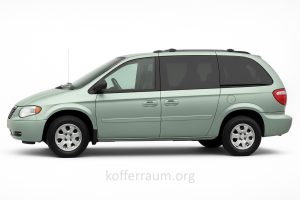
The later decades tell a tale of adaptation. The company weathered shifting markets and regulatory pressures by innovating where it mattered most to buyers—space, efficiency and durability. The 1980s saw the rise of the K‑car and a decisive push into front‑wheel drive, a move that helped Chrysler survive lean times. The introduction of the minivan—famously with the Voyager/Caravan lineage—redefined family transport, turning a once‑niche segment into a dominant product category. The Town & Country and related cousins showcased how comfort and practicality could coexist with modern engineering.
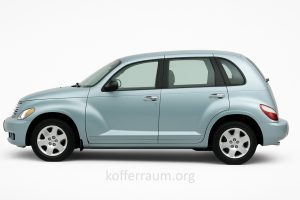
Entering the 21st century, Chrysler enjoyed a revival that blended retro charm with contemporary needs. The PT Cruiser captured imaginations with its nostalgic lines, while the revived 300 offered a bold, modern American luxo‑sport proposition. In more recent years, the line‑up has centred on the Pacifica family of MPVs, including the Pacifica Hybrid, underscoring Chrysler’s commitment to space‑efficient, family‑oriented motoring in an era increasingly concerned with efficiency and electrification. The brand’s evolution has been shaped by corporate realignments—now part of Stellantis—yet Chrysler remains recognisably the same company that once chased excellence with an eye for the practical and the premium.
Today, Chrysler stands as a measured blend of heritage and modernity. It is a brand that understands the value of a comfortable, well‑appointed cabin, the appeal of clever packaging, and the importance of a strong, confident road presence. For those who value storytelling through design and the reassurance of room to grow, Chrysler offers a distinctive thread in the broader tapestry of British and American motoring alike.