





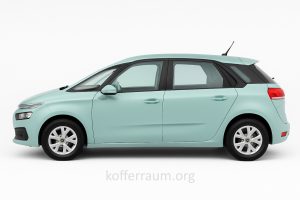
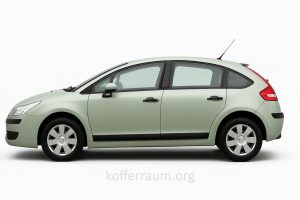
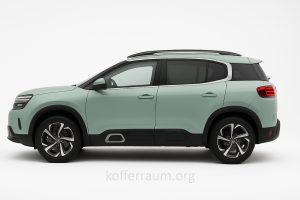
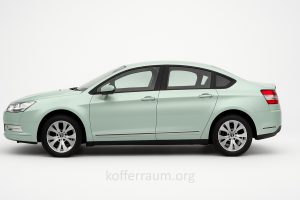




Citroën occupies a singular place in automotive history. Founded in 1919 by André Citroën, the marque earned a reputation for taking risks with engineering and design that others later copied. From salesrooms in Paris to the race tracks of rally history, Citroën has repeatedly shown that comfort, practicality and clever engineering can coexist with bold styling.
The early years set the tone. Citroën popularised front-wheel drive with the Traction Avant in 1934, a unibody car that challenged the era’s conventional conventions. After the Second World War, the 2CV—built to move people on a shoestring budget—became a symbol of France’s frugal optimism. Then came the DS in the mid‑1950s, a car that promised technological prowess and dramatically aerodynamic form. Its hydraulic suspension, devised by Paul Magès, transformed ride quality and handling and became a lasting emblem of Citroën’s belief that comfort should not be a luxury but a baseline. The brand’s full‑line strategy, and its insistence on advanced comfort, found a new home under the PSA umbrella, and later within Stellantis.
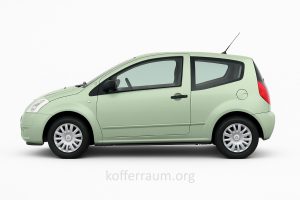
In contemporary times, Citroën has refined its identity rather than abandoned it. The brand’s motto, often expressed as Creative Technology, translates into cars that balance wit, practicality and a distinctly human-centred approach to mobility. The interiors are famously accommodating; seats are well padded, cabins are designed to reduce fatigue, and even very compact cars offer surprising space for occupants and luggage. The firm belief that cars should feel friendly to live with is visible in every model, from compact hatchbacks to crossovers.
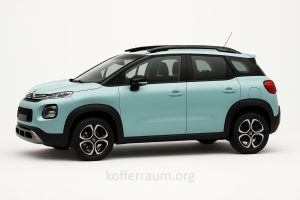
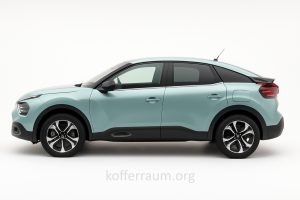
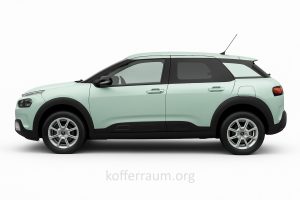
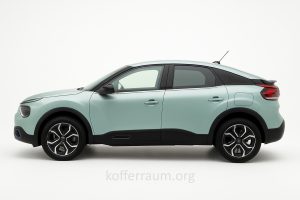
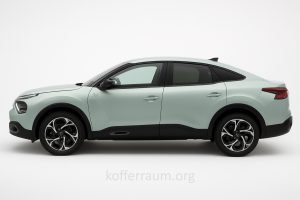
Design remains a Citroën hallmark. The brand’s modern cars often feature the kind of clean, generous shapes that feel both practical and uplifting, and the brand’s inspired use of texture and colour—whether the air-bumps of the C4 Cactus or the sculpted details of the C5 Aircross—gives Citroën an identity that is recognisable at a glance. The electric era has found Citroën pursuing accessible models that retain their character: the ë-C4 and the growing family of electrified compact cars, plus the tiny Ami, an urban electric runabout that offers a taste of quiet, affordable mobility for city dwellers.
Citroën’s story is not merely a chronology of models; it is a philosophy: design that serves comfort and everyday usefulness, technology that makes life easier, and a sense of joie de vivre that feels distinctly French. In a world of speed and performance first, Citroën reminds us that the best cars are those that feel good to drive, every day.
Beyond the showroom, Citroën has cultivated a relationship with those who measure a car by more than its 0-60 time. Rally heritage, long-standing partnerships with safety and road-design institutions, and a pragmatic European footprint have shaped a brand that travels well across continents while keeping one foot in its Parisian roots. In markets from Paris to Pretoria, from suburban families to urban couriers, Citroën’s vehicles tend to be used, reused and re‑imagined with a human touch. That ethical, stylistic pragmatism remains its call to action in the 2020s. A brand that invites exploration.