
Ask any car buyer about value and practicality, and a Dacia will appear as a serious contender. The Romanian brand, now part of Renault, has spent two decades building a reputation for getting from A to B with fuss and outlay. It is not about swathes of leather or high-speed thrills; it is about honest engineering, robust build quality, and a price that leaves room in the budget for the unexpected. In a market saturated with optional extras and rising costs, Dacia’s formula remains clear: cheaper, simpler, wiser.
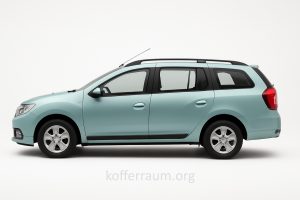
From the Logan’s spartan origins in the early 2000s to today’s Sandero hatchbacks and Duster SUVs, the brand has perfected frugality without scrimping on usefulness. Renault’s engineering discipline means the cars are easy to service, parts are cheap, and running costs are predictable. The design language is plain-speaking: uncomplicated dashboards, sturdy switchgear, and seats that survive daily punishment. The new models have gained in comfort and safety, but the core offer remains the same: a small car that behaves like a big one on the essentials—cab space, luggage capacity, and space for family life.
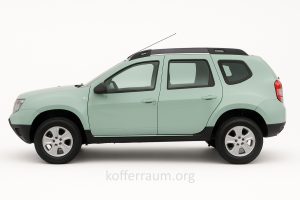
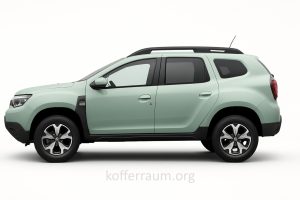
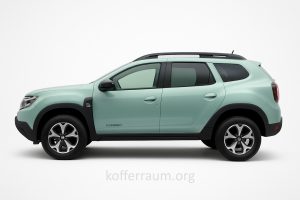
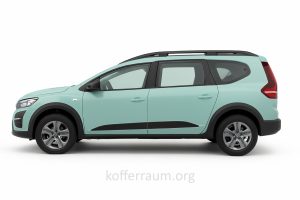
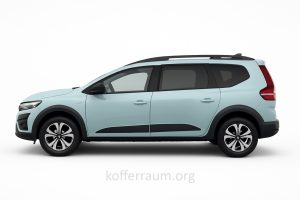
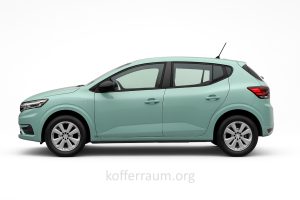
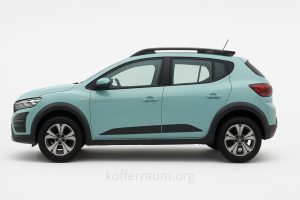
Sandero, Sandero Stepway, and the compact Duster have become the brand’s backbone. The Sandero is often cited as the best-value supermini on sale in Europe, offering a roomy interior, a solid boot, and a choice of petrol engines that prioritise efficiency over flamboyance. The Stepway adds a touch of adventure with higher ride height and more rugged styling, while the Duster delivers SUV practicality at a hatchback price. Then there is the Jogger, a longer, more versatile seven-seater that resembles a budget alternative to family crossovers. The approach is modular: one platform, a few powertrains, and equipment that scales with pricing. It’s a disciplined, almost VW-like approach to affordable mobility.
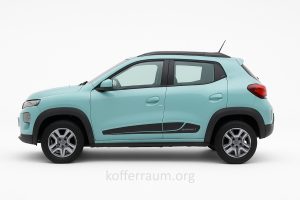
Safety and tech have not been abandoned in pursuit of cost. Over the years, Dacia has added airbags, stability control, and modern infotainment as standard or affordable options, and the latest range benefits from clearer screens and better connectivity. The interiors remain a study in restraint: hard-wearing plastics, large cubbies, and practical storage. Yet the cars don’t feel cheap in daily use; the ride is composed, the controls are intuitive, and the engines are calibrated to avoid excessive fuel bills. The Spring electric city car marks an ambitious step, hinting at a future where sustainability sits beside value. For many buyers, the question isn’t whether Dacia is stylish, but whether it is sensible.
Market-wise, Dacia thrives where households want low ownership risk. In the UK and Western Europe, its appeal is straightforward: a fresh car that won’t disrupt the mortgage with maintenance shockwaves. Yet for all the practicality, there is a subtle personality to Dacia that might surprise critics. It invites you to focus on the essentials—space, reliability, and a sense that you’re driving a car that understands your budget. In short, Dacia has transformed from budget novelty into a credible, long-term choice for modern families and prudent commuters alike. Dacia remains a case study in affordable mobility.