
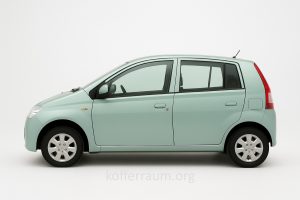
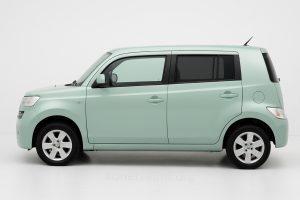
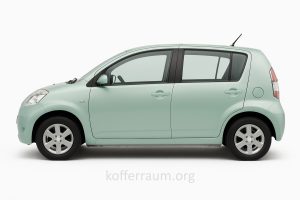
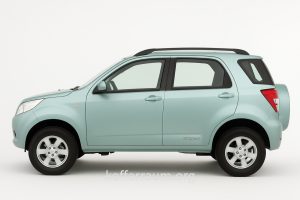
Daihatsu occupies a particular corner of the automotive world: a brand that has built its reputation on compact, economical transport designed for busy streets and practical use. In many markets the name stands for clever packaging, robust engineering and a willingness to do more with less. For enthusiasts, the appeal lies not in flamboyance but in the way these cars make city life lighter: more manoeuvrable, cheaper to run, easier to maintain. Daihatsu’s existence is a reminder that not every journey requires a large, expensive car to feel rewarding. It champions efficiency without compromise.
Dating back to the early 20th century, Daihatsu established a niche as Japan’s specialist in small vehicles. It earned a reputation for designing light, practical machines with clever details that maximise interior space while minimising exterior footprint. In many markets the company safeguarded the kei-car ethos—tiny, efficient offerings that are affordable to own and easy to drive. Through decades of exports and partnerships, Daihatsu built a global portfolio based on compact engineering, shared platforms, and a culture of straightforward, dependable motoring.
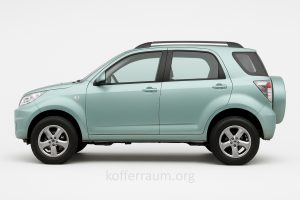
Today, the Daihatsu line-up continues to celebrate compact design. Kei-car families such as Move and Mira demonstrate how limited dimensions can be turned into useful, well-packaged cabins and thrifty engines. The Cuore and the longer-running Charade lineage highlight the brand’s ability to blend practicality with a touch of character. For workaday duties, the Hijet line offers reliable micro-vans and pickups, while the Terios adds a light, approachable SUV to the mix. And for moments of light-hearted motoring, the Copen roadster shows Daihatsu’s willingness to experiment within a framework of compact, affordable engineering.
Design tends toward durable, no-nonsense aesthetics: tall interiors for space, clear sightlines, simple controls, and easy ingress. Mechanically, the focus is on lightweight construction and familiar, robust components, ensuring reasonable running costs and long service intervals. The engineering philosophy emphasises clever packaging and efficient powertrains—traits that keep these cars pleasant to drive in city traffic and economical on longer trips alike. Across generations, Daihatsu has refined a formula centred on practicality, simplicity, and accessibility, rather than chasing the latest trends.
Within the Toyota family, Daihatsu continues to serve as a specialist for affordable, practical mobility. In Asia and developing markets, its small cars offer essential transport with modest taxation and good fuel economy. In more mature regions, the appeal lies in value, reliability and the charm of a brand that never pretends to be something it is not. Looking ahead, Daihatsu’s challenge will be to balance tightening emissions rules with its core strengths: light, efficient design, dependable engineering and a straightforward user experience that keeps city life moving. The brand’s enduring appeal rests on a simple truth: smaller can be smarter, and that remains highly relevant in today’s urban landscape.