


Fiat is more than a car maker; it is a window into how small, well-made machines can shape daily life across generations. From its founding in Turin in 1899, the Italian marque has forged a reputation for compact, practical vehicles that do not demand more space than a city street will allow, yet never fail to convey a sense of character. Fiat’s lineage is a study in resilience: a company that survived two world wars, economic shifts, and a changing European market by concentrating on what matters to drivers: easy, honest motoring.
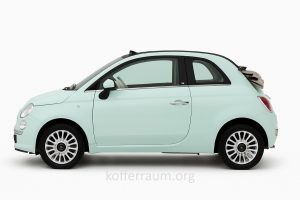
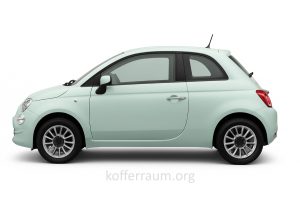
Nowhere is this better illustrated than by the Cinquecento, the Fiat 500, the tiny icon that became a social phenomenon in the late 1950s and still resonates today in both retro charm and modern convenience. The original model accommodated post-war optimism, packing a two-cylinder engine and clever engineering into a car that could be afforded, parked, and enjoyed by countless families. The 500’s enduring appeal lies not in bravura performance but in its ability to transform cramped urban streets into stages for personal mobility. That blend of humility and humour is the brand’s quiet superpower.
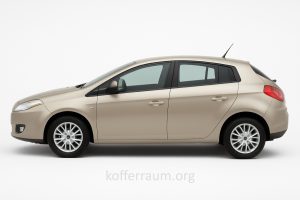
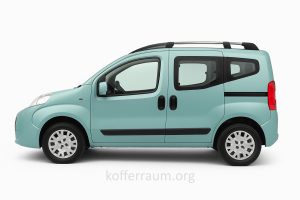
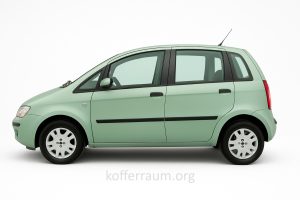
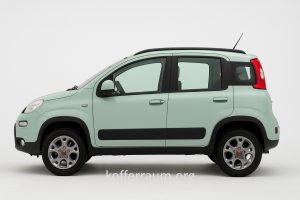
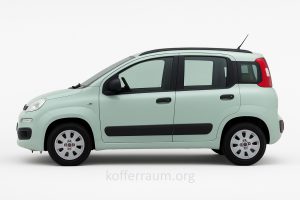
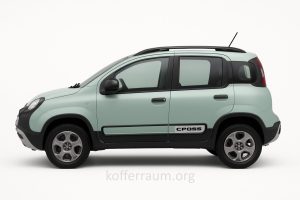
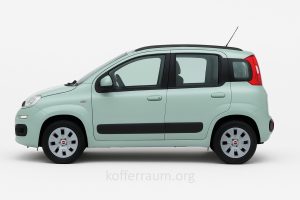
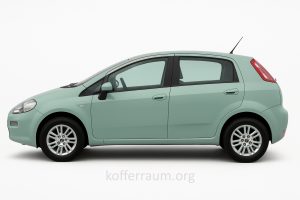
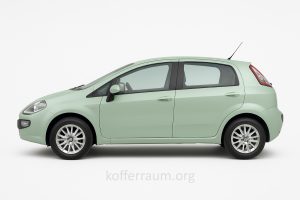
Beyond the 500, Fiat expanded into affordable everyday cars capable of coping with Britain’s weathered roads and busy towns. The Panda, Uno, and Punto built reputations for practicality, space efficiency, and straightforward maintenance. The brand’s approach has always been to maximise interior packaging and minimise running costs, with engines designed to be light, efficient and easy to repair. Fiat also nurtured a tactile sense of design—clean surfaces, clever cubbies, and colour that lent small cars a surprising amount of personality.
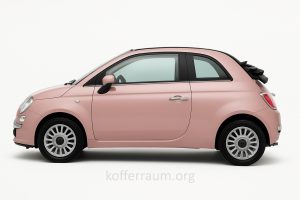
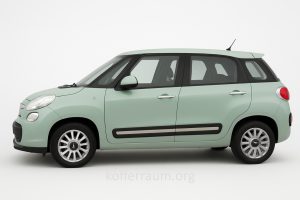
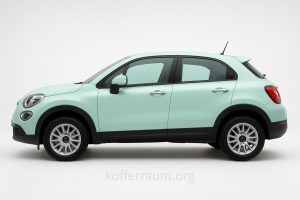
Styling became a signature, especially with the modern 500 launched in 2007, which reinterpreted the original’s charm for a new generation. Its compact footprint, generous headlights, and touches of chrome offered urban chic without pretence. The line has since grown to include crossovers such as the 500X and family hatchbacks like the 500L, along with practical variants such as the Panda. In performance terms, Abarth models kept the brand lively, offering riotous little hot-hatches that tightened the link between Fiat’s fun philosophy and genuine driving enjoyment.
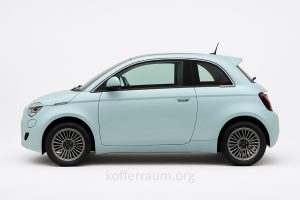
Today, Fiat is navigating a new era under the Stellantis umbrella, embracing electrification with models such as the 500e while continuing to stress affordability and usability. The British market, in particular, has welcomed the electric turn and the brand’s emphasis on easy charging, compact dimensions, and a comfortable ride for urban commutes. Fiat’s strength remains its ability to make small cars feel big on the inside, to deliver clever packaging, and to offer a little Italian theatre at a modest price. In short, Fiat endures by being practical, approachable, and charming. The brand’s continued relevance will hinge on listening to urban drivers and delivering dependable, affordable mobility for the long haul.