





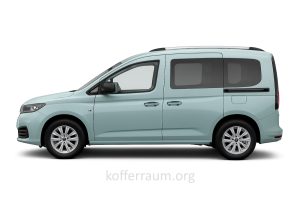
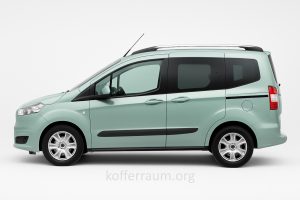
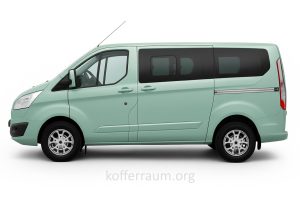
Ford has steered the course of everyday mobility for more than a century. Born from Henry Ford’s insistence on affordable mobility and efficient manufacturing, the company created a blueprint for mass production that reshaped industry and society alike. The Model T, launched in 1908, became a global sensation not merely because it was cheap, but because it proved that a well-made car could belong to ordinary people. When Ford opened the moving assembly line in 1913, the pace of production accelerated, and with it the prospect of personal transport for millions. The idea that a car could be both practical and accessible was no longer a dream; it was a business reality with enduring cultural echoes.
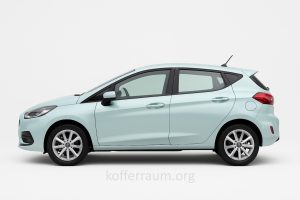
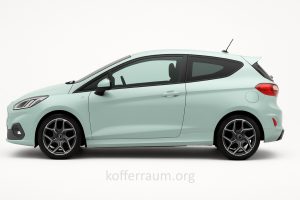
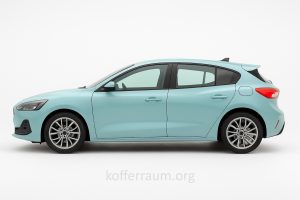
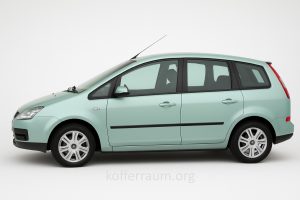
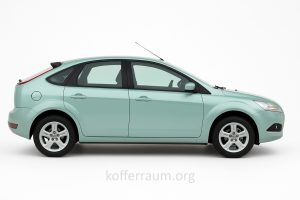
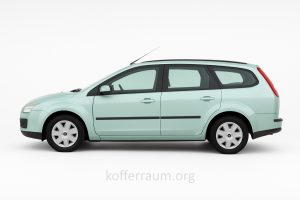
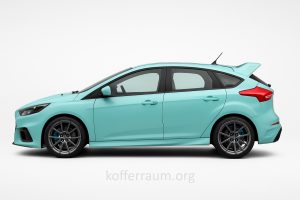
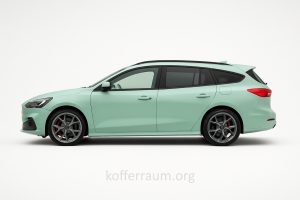
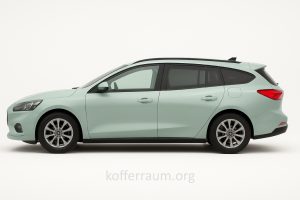
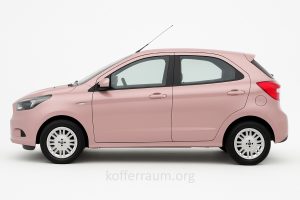
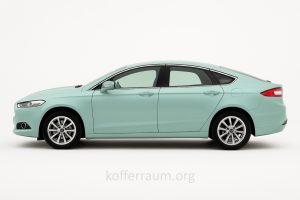
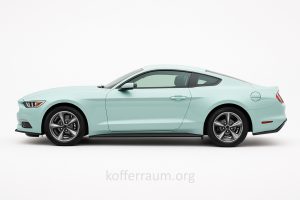
As Ford grew, so did its range and reach. In North America, the F-Series pickup established itself as the backbone of work and play, a symbol of reliability and capability. In the same era, performance and personality found a home in the legendary Mustang, which arrived in 1964 and became an icon of American culture—an affordable dream that could still thrill on weekends. Across the Atlantic, Ford became a staple of European roads, offering hatchbacks and sedans that combined efficiency with drivability. The Fiesta and Focus, in particular, helped Ford build a reputation for compact vehicles that were both nimble and practical, suited to crowded city streets and longer journeys alike. Ford’s European design language evolved through the mid-2000s with what the company called Kinetic Design—sculpted lines, a sense of energy, and a confidence that translated well across its global line-up.
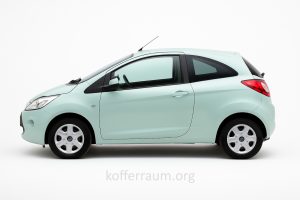
Engineering excellence underpins Ford’s ongoing appeal. The company’s EcoBoost family—turbocharged engines with small displacements—proved that efficiency and performance could go hand in hand. This philosophy extended beyond petrol engines to hybrids and plug‑ins, as Ford sought to give customers choice without compromise. The result is a broad spectrum of models that cater to varied needs: entry-level hatchbacks for urban living, versatile family cars, capable SUVs, and durable commercial vehicles. In the commercial sector, the Transit family remains a familiar sight on streets and at building sites worldwide, reinforcing Ford’s reputation as a practical partner for business and daily life alike.
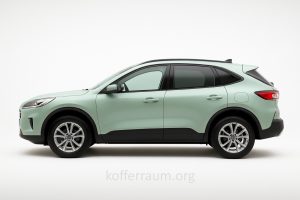
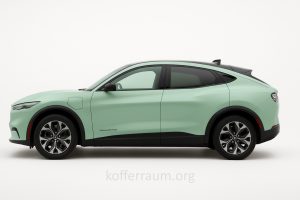
The 21st century brought a clear pivot towards electrification and connected services. Ford has embraced the electric future with the Mustang Mach-E, a bold reinterpretation of the pony car as a fully electric SUV that carries the brand’s performance aura into new technology. The E-Transit brings electrified capability to the essential workhorse, while hybrid and plug‑in options in the Focus, Kuga, and other models offer a bridge between established reliability and modern sustainability. The company’s long-standing commitment to innovation is reinforced by a steady investment in charging infrastructure, software, and connectivity, all aimed at delivering smarter, cleaner, and more pleasurable ownership experiences.
Today Ford remains a global auto-maker with a distinctive identity rooted in practicality, durability, and a sense of possibility. It is a brand that has repeatedly learned to balance the demands of mass production with the needs of individual drivers, and to translate a rich heritage into a dynamic, responsive future. In the end, Ford’s enduring appeal lies in cars that make mobility feel accessible, dependable, and somehow exciting—whether you are navigating a city street, a country road, or a highway of new technologies.