

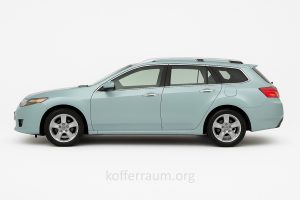
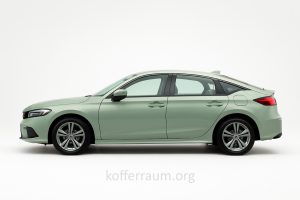


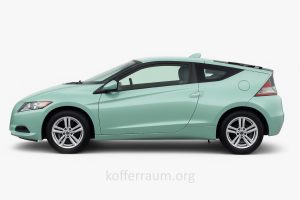
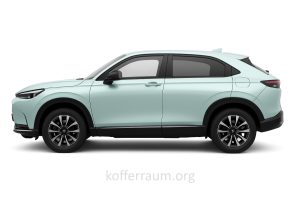
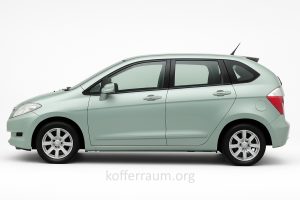
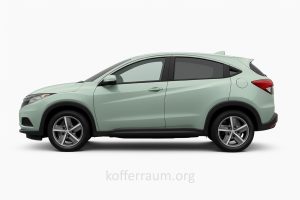
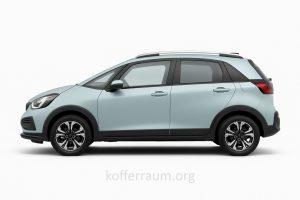
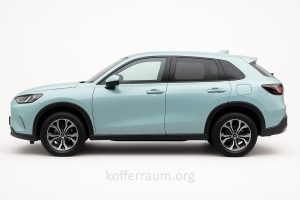
Few automotive brands have built as consistent a reputation for practical reliability and quiet engineering as Honda. Founded in 1948 by Soichiro Honda, the company began with motorcycles and quickly expanded into small, sturdy cars that could withstand everyday life in crowded cities and rural lanes alike. From the outset, Honda’s mission was clear: to create products that are useful, affordable, and genuinely enjoyable to own. Through decades of careful refinement, the brand has become synonymous with dependable engines, thoughtful packaging, and a willingness to push the boundaries of efficiency without sacrificing everyday usability.
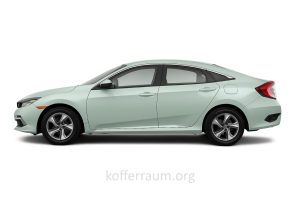
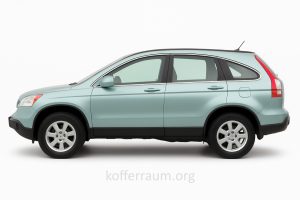
Central to Honda’s identity is a philosophy some describe as the Power of Dreams—a belief that bold ideas, tested in real-world conditions, can translate into practical, long-lasting engineering. The result is a distinctive blend of reliability, efficiency, and tangible road feel. Honda’s manufacturing approach—lean, globally distributed, and relentlessly focused on quality—means a Civic or a CR-V often delivers more than its price tag promises. The company’s design language emphasises clean lines, accessible interiors, and a compact footprint that suits modern traffic yet preserves generous interior space.
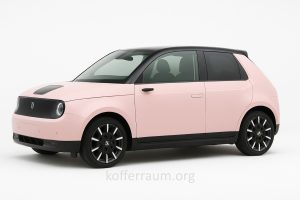
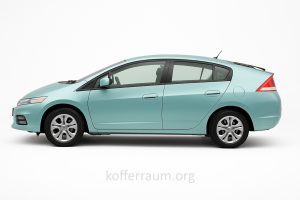
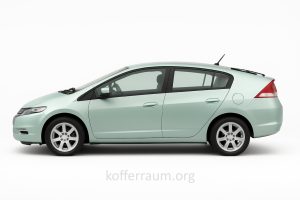
Technologically, Honda has pioneered systems that became mainstream, and it has done so with a light touch. The CVCC emissions technology in the 1970s helped many people keep driving as regulations tightened, while VTEC introduction in the late 1980s opened the door to high-revving performance without a fuel drain. The golden thread continues with the NSX, a mid‑engine sportscar that fused supercar pace with everyday usability, and the Civic Type R, which has earned genuine respect on circuits and roads alike. Honda has also embraced electrification: the Insight and Clarity models showed commitment to hybrids and hydrogen, while the newer Honda e signals a serious foray into electric city cars.
More recently, Honda has balanced global ambitions with a pragmatic, regional approach. The brand’s Sensing suite—adaptive cruise control, lane-keeping assist and collision mitigation—has become an industry standard in its class, while hybrid and fuel-cell initiatives push it toward a low-emissions future without abandoning the things buyers prize: simplicity, utility and even a touch of sportiness. The company’s racing heritage, too, informs its road cars: the precision steering, well-judged chassis balance and a rewardingly communicative ride come from a long tradition of motorsport involvement and a philosophy that performance should be accessible.
In the contemporary market, Honda stands at a crossroads common to many legacy brands: maintain reliability and value while accelerating electrification and new mobility ideas. The path is not flashy, but it is coherent. Honda continues to attract owners who want a car that behaves predictably in daily life, yet remains capable of delivering genuine driving pleasure when the road opens up. With a robust line-up from compact city cars to versatile SUVs and a growing emphasis on hybrids and electric power, Honda remains a persuasive choice for buyers who value durability, efficiency and a clear engineering ethic. In practice, owners enjoy a calm, confident ride, backed by a dealer network that values service as much as speed overall.