

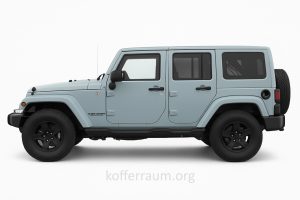
Jeep is one of the most recognisable names in the automotive world, a marque built on freedom, durability and a stubborn fondness for rough terrain. Born from wartime necessity, the brand’s DNA reads like an off‑road manual translated into everyday life. The Willys MB and the civilian CJ series established Jeep’s reputation for going where others fear to tread. Since then, the label has grown into a family of reliable, capable SUVs that consistently deliver on the promise: go anywhere, do anything.
Design and engineering are purposeful. The seven‑slot grille and round headlights are instantly identifiable, yet modern Jeep models blend heritage with contemporary technology. The brand’s four‑wheel‑drive systems – from part‑time and permanent setups to electronically controlled forms – optimise traction, ground clearance and body control. Short overhangs, generous approach and departure angles, and, in many models, a robust ladder frame or independent suspension contribute to real off‑road ability without sacrificing on‑road manners.
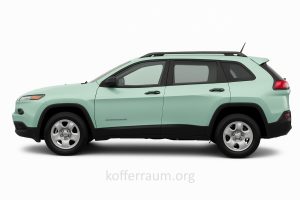
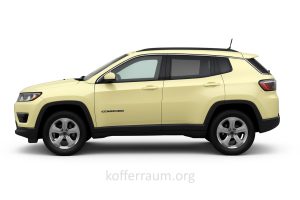
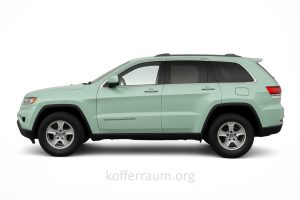
Core models illustrate the breadth of the range. The Wrangler remains the definitive Jeep: a boxy silhouette, removable doors and roof, and Rubicon variants tuned for rock crawling and mud. The Gladiator extends the ethos into a pickup‑truck format, offering practical cargo space with familiar Wrangler DNA. The Grand Cherokee sits at the other end of the spectrum, delivering refined on‑road comfort with serious capability. The Grand Cherokee L adds three‑row space for families. Then there are the smaller siblings, the Compass and Cherokee, which bring genuine four‑by‑four ability into the urban milieu without excessive footprint or fuel use.
Off‑road culture and brand values. Jeep has nurtured a loyal community: owners share tips on the Rubicon, celebrate the ‘Jeep wave’, and support the heritage with a broad aftercare and Mopar aftermarket ecosystem. That sense of belonging matters as much as capability, and it helps explain why Jeeps are as comfortable on campsite driveways as they are on the motorway.
Electrification and modern tech. In recent years Jeep has embraced greener propulsion without sacrificing its identity. The Wrangler 4xe and Grand Cherokee 4xe bring plug‑in power to the line, delivering quiet electric running alongside authentic four‑by‑four performance. Contemporary safety suites, rugged infotainment and durable build quality remain central, allowing owners to use Jeeps as practical family cars, daily commuters, and weekend explorers.
Looking forward, Jeep remains true to its roots while adapting to change. The combination of rugged durability, distinctive design and an expanding electrified range keeps the brand relevant in a fast‑evolving market. In this sense, Jeep continues to offer more than transport: a doorway to possibility, equipped to weather weather and miles alike.
Global presence and customer experience. Jeep’s footprint spans Europe, the Middle East and Asia‑Pacific, with a growing enthusiast network in the UK. Dealers emphasise real‑world testing and practical value—removable tops, adaptable interiors and strong towing capability. In UK showrooms, right‑hand drive models keep the rugged fundamentals while offering modern safety and connectivity for families.
Few marques can claim such a seamless fusion of history, utility and personality. Jeep is one of them.