






Mazda occupies a singular position in the automotive world. A Japanese marque that blends craft with a love of driving, it has never chased fashions for fashion’s sake. Its design language, Kodo: Soul of Motion, seeks to capture movement in metal, while the philosophy of Jinba Ittai—the horse and rider as one—remains its compass. In an age when many brands electrify every model, Mazda pursues a measured path: lightweight engineering, refined handling, and cars that feel alive behind the wheel. The payoff is genuine engagement, not ostentation. Across Europe, Mazda has earned respect among keen drivers for its poise and honesty, not hype.
From its founding in 1920 as Toyo Cork Kogyo to the present Mazda Motor Corporation, the company has worn two hats: practical manufacturer and purveyor of emotional transport. The name Mazda honours Jujiro Matsuda and Ahura Mazda, the symbol of wisdom. A crucial chapter lies in the rotary engine, which gave the RX‑7 and RX‑8 their distinctive character and powered the Le Mans‑winning 787B. Even today, Mazda’s Wankel heritage recalls its willingness to experiment for lightness and balance.
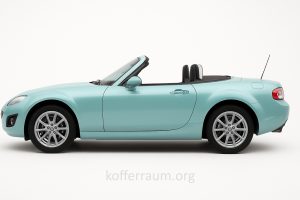
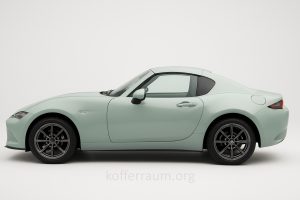
Mazda’s most enduring icon is the MX‑5 Miata, introduced in 1989 as a light, affordable roadster that celebrated rear‑wheel drive, manual gearboxes, and pure driver‑car interaction. It is not merely a model but a manifesto: the car borrows little and returns more than it takes. Across generations, the MX‑5 has stayed true to its original remit, while benefiting from refined chassis tuning, better materials, and precise steering. It remains a touchstone for driving enthusiasts.
Under the SkyActiv banner Mazda reshaped its engineering brief. The idea is simple: tighter packaging, higher efficiency, and a willingness to merge lightweight construction with responsive dynamics. SkyActiv engines employ higher compression and advanced valve control to extract more power from less fuel, while transmissions and chassis tuning prioritise steering feel and nimble cornering. The result is cars that deliver lively performance without the weight or complexity. The design language—Kodo—has matured into clean, expressive forms that convey motion even at a standstill.
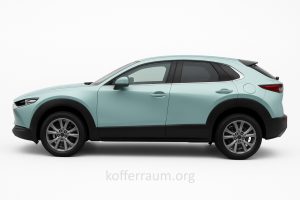
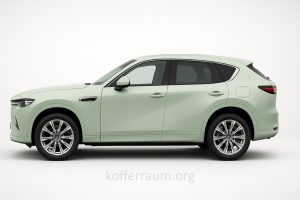
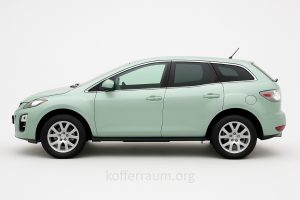
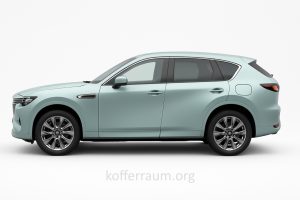
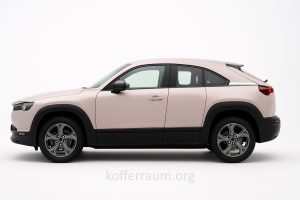
In recent years Mazda has expanded its range with stylish crossovers and practical hatchbacks that emphasise comfort and refinement as much as pace. Models such as the CX‑5 and CX‑30 bring family balance to the showroom, while electrified options and mild hybrids appear across the line. The company’s approach to electrification remains gradual: preserve the brand’s lightness and driving involvement, and fit efficient powertrains to keep the drive engaging. The centre of Mazda’s strategy is balance, not bravura, and that balance still resonates with everyday customers, and a growing sense of premium feeling in cabins.
In a crowded market Mazda’s story is a reminder that progress need not look like a sprint. The brand’s commitment to Jinba Ittai, elegant design, and real‑world usability continues to attract enthusiasts who want a car that is capable and enjoyable. Mazda endures as a rare combination of heart and engineering discipline, a marque that asks you to slow down, smile, and simply drive, and reliability too, today across markets.