

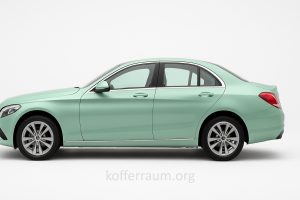
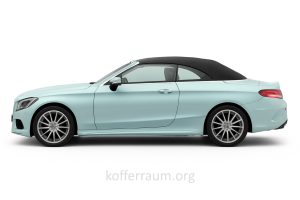
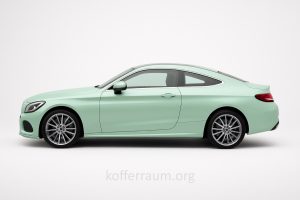
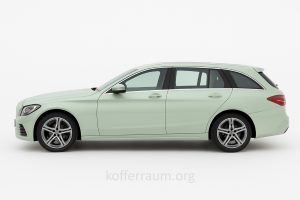

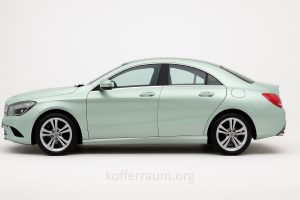
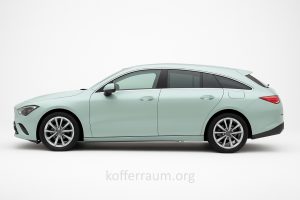
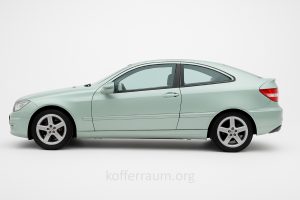

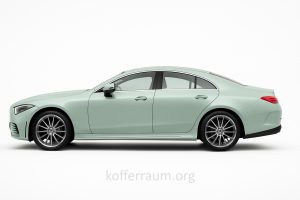


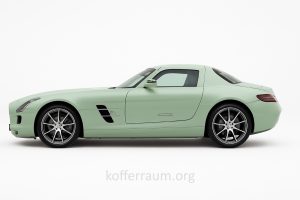

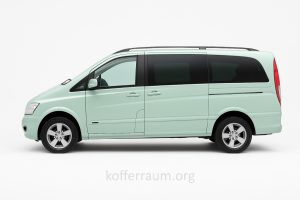
Few automotive brands wear their heritage as visibly as Mercedes-Benz. From the laboratories and workshops of Gottlieb Daimler and Karl Benz to the gleaming showrooms across the globe, the marque has fused luxury with engineering discipline for more than a century. The three-pointed star, born from a simple wish to conquer land, sea and air, remains a symbol of aspiration as well as reliability. In today’s streets and on the world’s racetracks, Mercedes-Benz is not merely a badge; it is a proposition: comfort without compromise, progress guided by tradition, and a relentless pursuit of quality.
At its core, the brand is a study in engineering discipline tempered by human-centred luxury. Mercedes-Benz has long championed safety as a core value, integrating advanced systems long before many rivals caught on. The marque helped popularise features that are now commonplace: ABS, electronic stability programmes, and, in more recent decades, PRE-SAFE anticipation, adaptive cruise control, and intelligent braking. The result is not merely technical performance but a sense that a Mercedes will protect you and your passengers when the unknown lurks. It is a promise that can be felt, as much as measured, on every drive.
Design, too, remains a language Mercedes-Benz has refined rather than rewritten. The brand’s interiors invite calm refinement: sumptuous materials, precise ergonomics and ambient lighting that creates theatre rather than ostentation. Exteriors blend sculpted lines with an aerodynamic rigour that underlines efficiency without surrendering presence. The Mercedes badge—star on a grille that communicates both heritage and modernity—acts as a beacon in a crowded market. The result is a synthesis: performance and prestige, sportiness and serenity, all woven into vehicles that feel fitted for both executive corridors and quiet country lanes.
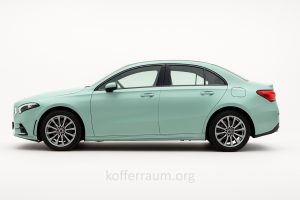
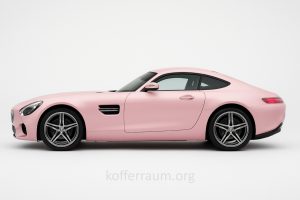
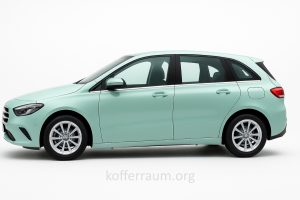
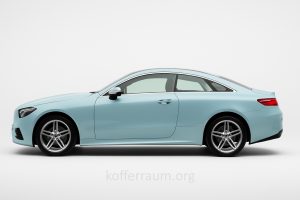
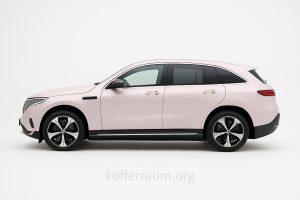
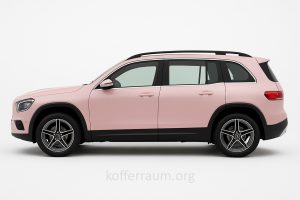
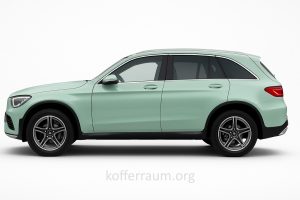
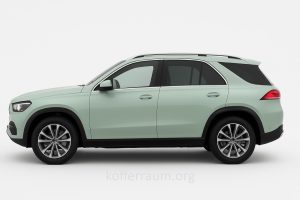
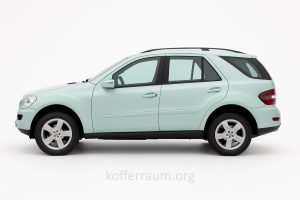
For many, the current line-up is Mercedes at its most persuasive: sedans and coupes that lap luxury with quiet bravura, SUVs that blend capability with comfort, and the enduring G-Class, a utilitarian icon updated for the modern era. AMG models offer sharpened dynamics for enthusiasts, without sacrificing the brand’s courteous demeanour. And there is a new energy in the portfolio: the EQ family, from the electric S-Class to compact hatchbacks, which signals a commitment to electrification that complements its blue-chip petrol and diesel engines. Mercedes-Benz also pursues cleaner production and a carbon-neutral balance sheet by the end of the 2030s.
Mercedes-Benz remains, finally, a marketer’s case study in longevity. It builds reputations not by chasing trends but by steadily improving what people value: quiet confidence, enduring comfort, and an assurance that a car can feel both familiar and forward-looking at once. The brand asks you to experience driving as an act of refinement rather than a spectacle, and in doing so invites loyalty that travels with you beyond the showroom. In an era of rapid change, Mercedes-Benz offers continuity, innovation and a promise: the best or nothing, everywhere you go. From service networks that feel attentive to digital tools that simplify ownership, Mercedes-Benz aims to make ownership as refined as the car itself. The brand’s attention to sustainable materials, circular design and transparent supply chains reflects a philosophy that luxury can be responsible as well as desirable.