
NIO, the Chinese electric-vehicle brand, has carved a distinctive space in the fast-moving world of clean mobility. Since its inception, NIO has pursued a dual ambition: to deliver premium, well-engineered cars and to redefine what owning an electric vehicle can feel like. The result is a brand that possesses both engineering ambition and a community-centric ethos, rooted in a distinctive retail and service ecosystem.
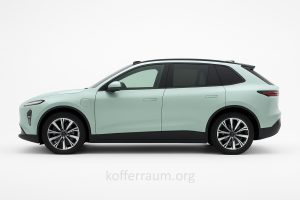
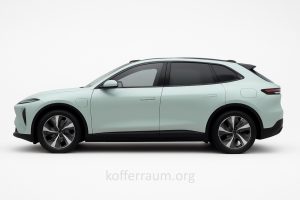
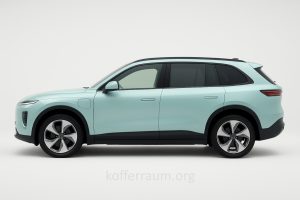
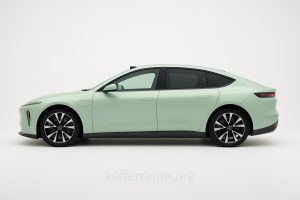
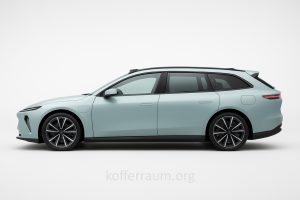
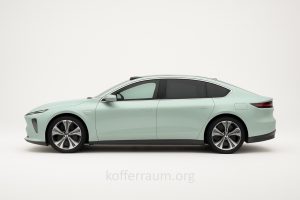
A core element of NIO’s appeal is its product strategy. The company has built a line-up that blends practical family SUVs with aspiration-filled four-doors. Models such as the ES8, ES6 and EC6 have established NIO as a credible alternative to established premium players in China and beyond. In parallel, newer offerings under the ET family—especially the ET7, a flagship electric sedan, and the smaller ET5—demonstrate NIO’s pursuit of refined ride quality, advanced software, and long-range capability. The design language emphasises clean surfaces, a high waistline, and a modern, restrained grille treatment that signals sophistication whilst maintaining a recognisable corporate identity. Inside, the cabins prioritise light, spaciousness and a digital cockpit framed by a user-friendly, cloud-connected software stack.
Technology is where NIO often differentiates itself from conventional automakers and many new entrants. NIO Pilot, the company’s driver-assistance suite, is presented as a journey towards greater convenience and safety, with features designed to evolve through over-the-air updates. The software layer—NIO OS—serves as the cockpit’s nerve centre, coordinating navigation, media, climate control and driver-assistance with a focus on an intuitive user experience. Coupled with high-calibre hardware, the result is a connected automobile that seeks to feel less like a gadget and more like a personalised mobility service.
Crucially, NIO has built its own charging and energy framework to support its EV stance. The Power Charge network provides fast charging, while the Power Swap programme—the battery swapping system—has been a defining feature of the brand. In markets where swap stations are available, customers can exchange a depleted pack for a fresh one in minutes, reducing downtime and enabling longer journeys without the anxiety of charging times. This approach reflects NIO’s practical response to a familiar EV obstacle—long charging breaks—while differentiating it from rivals reliant on conventional charging only.
NIO’s regional strategy emphasises community and service. The brand has developed NIO Houses and a robust aftersales network designed to nurture brand loyalty and provide a tactile point of contact beyond the showroom. The narrative is partly aspirational—a club for forward-looking drivers—but it also embodies a pragmatic commitment to customer care and long-term ownership experience. In the international arena, NIO has signalled European expansion and a growing footprint in select markets, aiming to translate its China-centric strengths into a global proposition.
Looking forward, NIO faces the usual array of challenges: intensifying competition in the premium EV space, the volatility of supply chains, and the need to scale software and charging infrastructure in diverse markets. Yet its blend of engineering ambition, a distinctive energy strategy, and a cultivated customer community gives it a credible platform from which to push on. If the brand continues refining its software, expanding its energy ecosystem, and delivering consistently high build quality, NIO could well remain a notable disruptor in the evolving global EV narrative.