
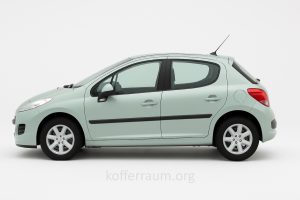
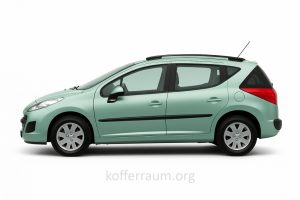
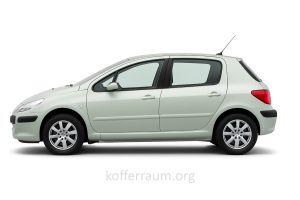
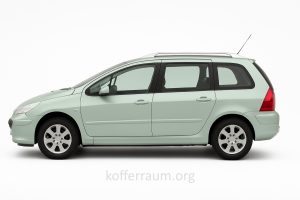
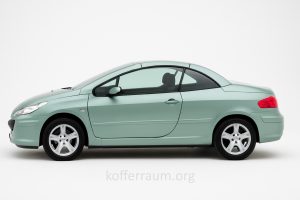
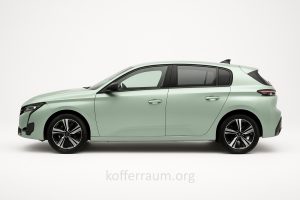

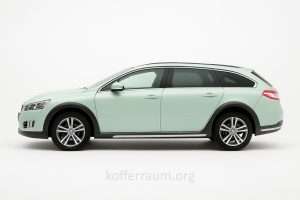
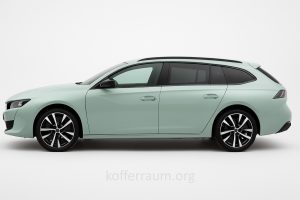
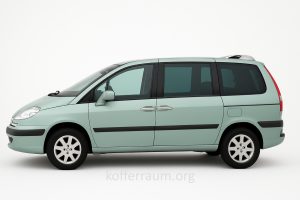
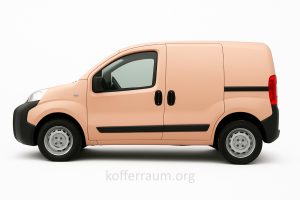
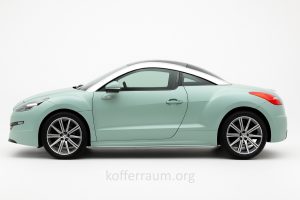
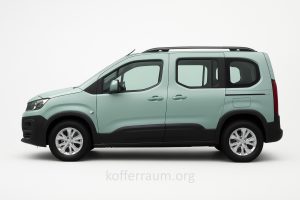
Peugeot is a brand that wears its French engineering heritage with quiet pride. Born in the industrial heartland of Paris as a maker of steel products in 1810, it transitioned to automobiles in 1891 and never looked back. The lion, a symbol of strength and endurance, has accompanied Peugeot’s badges for more than a century, evolving from a hint of branding on coffee mills to a full-fledged design cue on vehicles. Today, Peugeot sits at the crossroads of practicality and refinement, a mainstream marque that still manages to feel a little adventurous on the right road.
Peugeot’s design language has always balanced clean geometry with a sense of motion. In the modern era, the brand leans into sharp, confident lines, a distinctive front grille, and a cabin that aims to put the driver in command. The i-Cockpit, with its compact steering wheel and high-set instrument cluster, is perhaps Peugeot’s most recognisable interior signature, designed to reduce fatigue and enhance focus on the road. Materials feel well assembled, with a sense of warmth in the cabin that makes longer journeys feel less arduous. Even in its smallest cars, Peugeot seeks to deliver a sense of purpose rather than mere transport.
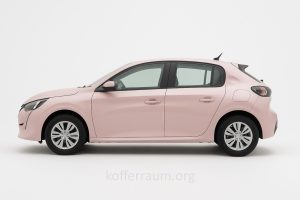
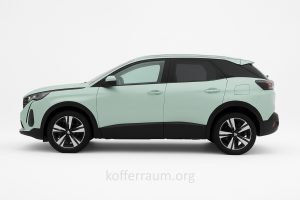
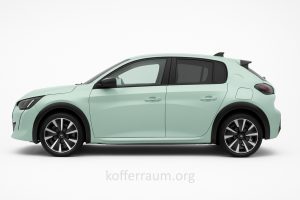
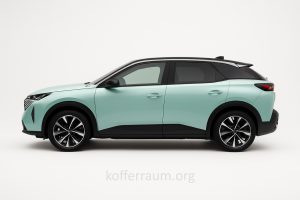
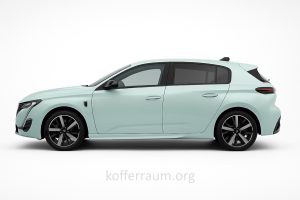
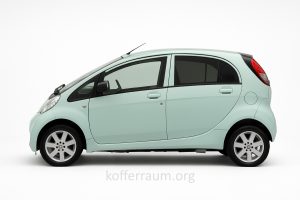
Across the range, Peugeot champions efficient powertrains and intelligent packaging. The PureTech petrol engines, BlueHDi diesels, and a growing ladder of electrified options underline a pragmatic approach to performance rather than ostentation. The 208 and 308 hatchbacks have long been praised for driving manners that reward confidence, while the compact 2008 and the larger 3008 and 5008 SUVs deliver flexibility for urban life and family duties. The current line-up blends petrol, plug-in hybrid, and electric variants, with the all-electric e-208 leading the charge for city dwellers. The 3008 and 508 serve as more practical, more refined alternatives to the premium brands.
Peugeot’s sporting soul runs deep. In rallying, the marque carved out a compelling competitive pedigree in the 1980s with the 205 Turbo 16 and later scored victories in the World Rally Championship with multiple generations of its cars. That racing DNA translates into a sense of precision and balance in road cars, where chassis calibration and steering feel are treated as items of necessity rather than afterthought.
Today, as part of Stellantis, Peugeot has a clear path to electrification without losing its identity. The brand is expanding its plug-in and mild-hybrid options while emphasising durable design, practical interiors, and a focus on comfort and efficiency. The challenge is to remain recognisably Peugeot while continuing to attract new buyers with clever packaging, evolving technology, and a dash of French confidence on the road ahead. As the industry pivots towards sustainable mobility, Peugeot positions itself as a practical partner rather than a zealot of radical tech. Notable is the emphasis on interior ergonomics, modular cargo space, and dependable engineering that holds value in the longer term. Dealers offer transparent servicing and supportive warranties, while the brand’s compact crossovers continue to appeal to urban professionals who want efficiency without compromise. In short, Peugeot aims to be quickly understood and long-loved.