
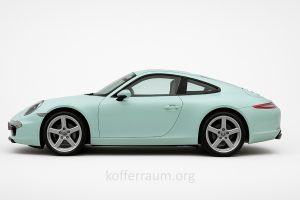
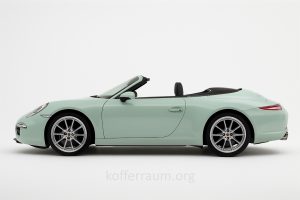
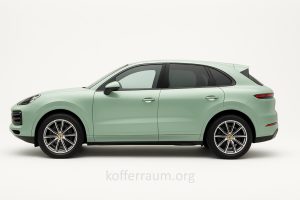
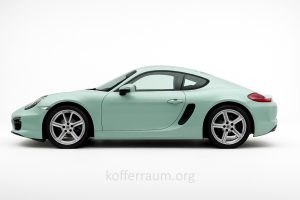
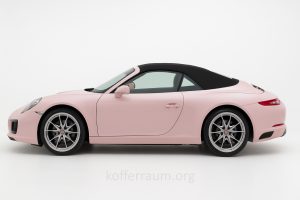
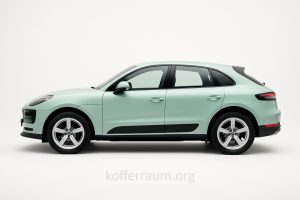
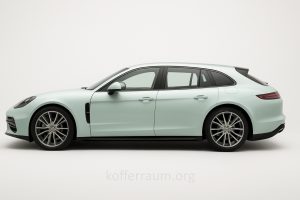
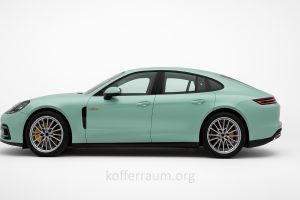
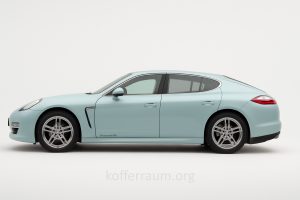
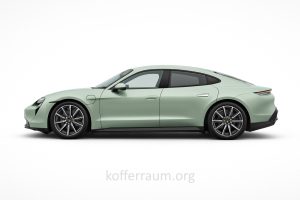
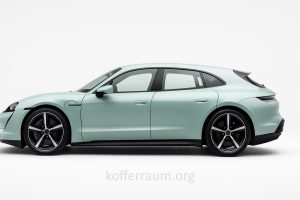
To talk about Porsche is to discuss a company that has forged its reputation through a ruthless fidelity to one idea: to deliver a driving experience in which a chassis communicates with the road, and the driver feels simultaneously in control and alive. For more than eight decades, the Stuttgart marque has styled its engineering into an almost symbolic language: low, wide, sculpted forms; a silhouette that seems carved from wind; engines that sing rather than shout; and a credo that performance must be usable, tractable, and repeatable.
The story begins with Ferdinand Porsche, but the modern legend is written in the heat of the 1960s and beyond. The 911, with its rear mounted flat six, is not merely a car; it is a philosophy made road legal. It has evolved through generations while never betraying its essential DNA: a balanced weight distribution, a whisper of turbocharged torque, and an engine note that is both rhythmic and recognisable. Drive one today and you feel how the car communicates through the seat, the wheel, the pedals; it does not shout, it invites. In every corner and straight, it rewards discipline and a light touch rather than brute horsepower alone.
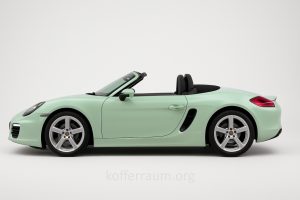
Porsche’s engineering is famous for its commitments. Motorsport is not a vanity project but a crucible from which road cars are forged. The Porsche 911 has learned to adapt, yet keep its soul intact: a lesson also reflected in its smaller siblings, the Boxster and Cayman, which offer a more approachable route to the same purist joy. The brand also recognises the future, expanding into the electric era with the Taycan. It is a car that does not abandon the driving psychology of Porsche; it channels electric power into a battery of responses that feel instantaneous, yet controllable, and always accompanied by a sense of precision and balance.
Design is another pillar. The brand language remains recognisable across decades: a gently curved roofline, round headlights, wide shoulders, a long tail end that hints at speed even when stationary. Inside, materials are tactile and deliberate, a reminder of the maker’s craft. The Porsche experience is not about flash or noise; it is the quiet confidence that comes with knowing the machine has been tested under conditions most drivers will never face.
What makes Porsche relevant today if any more relevant than yesterday? It is the stubborn insistence that performance should be usable. It is the idea that a car can be fast and civilised, a weapon and a companion. It is the promise that, when you turn the key, you will feel engaged rather than distracted. If you crave a car that ages well, but does not dull, Porsche remains fresh. It remains a brand that does not chase the latest gadgetry for its own sake but hones a driving ethos that endures. From track days to grand tours, Porsche endures because summer roads and winter commutes alike demand refinement, passion, and a clear sense of purposeful engineering every day.