

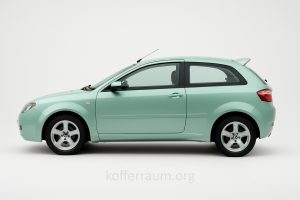

Proton may not shout as loudly as some Western brands, but it occupies a singular niche in the automotive world: a nation’s ambition distilled into metal. Born in 1983 as Malaysia’s answer to modern mobility, Proton’s project paired DRB-HICOM with Mitsubishi Motors, importing Japanese engineering know‑how while aiming to create jobs and a homegrown car industry. The early Saga and Wira established a simple recipe—robust mechanicals, straightforward maintenance, and price‑conscious packaging—that made Proton a familiar sight from city streets to regional export routes.
Geography and timing mattered. By the mid‑2000s Proton faced stiff competition, yet the company endured by delivering what customers actually needed: practical, affordable cars that performed as promised. The real hinge came in 2017, when Geely took a significant stake and opened a modern engineering pipeline. No longer merely assembling kits, Proton gained access to Geely’s platforms, modular design, and a fresh design language. The result was a brand that could hold value and reliability while shedding some of the “cheap and cheerful” reputation for something more contemporary, comfortable, and coherent in its overall packaging.
Today Proton’s line‑up centres on value‑oriented cars and two modern SUVs. The Saga and Iriz remain practical choices for first‑time buyers and fleet programmes, offering spacious interiors and economical running costs. The Persona, a compact saloon, continues to satisfy customers who want straightforward ownership with minimal fuss. On the SUV side, the X50 and X70 demonstrate the Geely influence in practice: well‑judged suspension, composed handling, and efficient powertrains that keep running costs sensible. Interiors prioritise usability: clear controls, adequate space, and materials that are fit for purpose rather than luxurious. The overall effect is a small but coherent family of cars that is easy to live with.
Design wise, Proton has moved from utilitarian shapes to a more considered, proportionate aesthetic. The brand’s new language emphasises clean lines, balanced fronts, and a restrained elegance suited to urban life and family duties. Engineering focus remains value and durability, but under Geely’s umbrella Proton now benefits from more advanced safety tech and better in‑car connectivity without surrendering its price advantage. In markets where value matters most, Proton offers a credible alternative to more expensive compact sedans and small SUVs, with a warranty and service network designed to reassure buyers and keep ownership straightforward.
Looking ahead, Proton’s trajectory is global. Rooted in Malaysia’s industrial story, its products are increasingly designed for export, with cross‑continental supply chains and collaboration with Geely’s platforms. If Proton sustains its balance of practicality, reliability, and value, it could redefine what buyers in emerging markets expect from a modern car: affordable, well‑engineered mobility that performs day after day.