
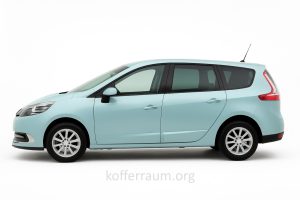
_van_thumbnail-300x200.jpg "Renault Grand Scénic Boot Space + Dimensions 14")
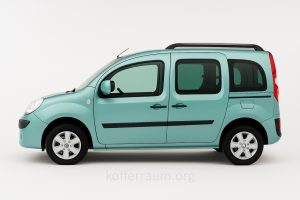
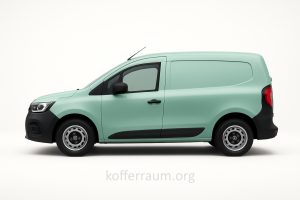
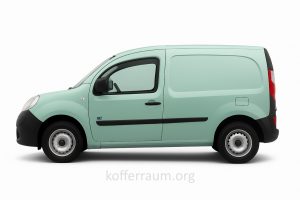
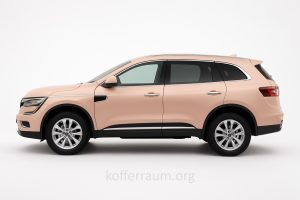
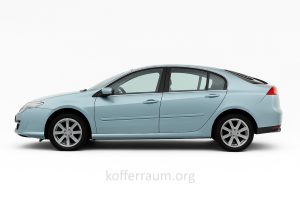
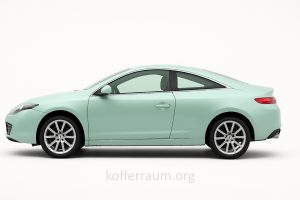
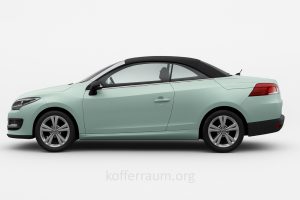
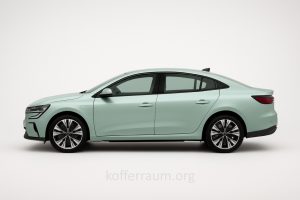
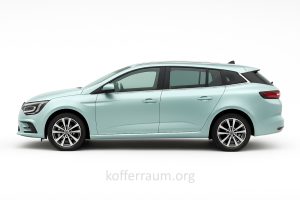
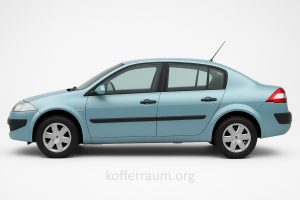
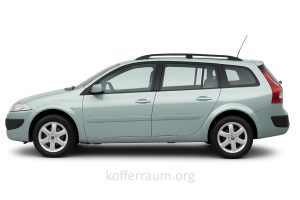
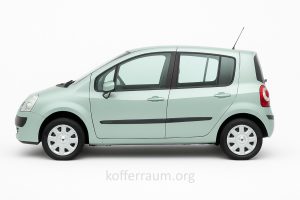
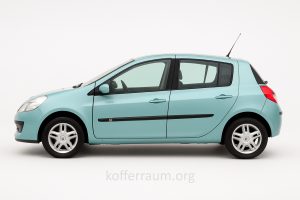
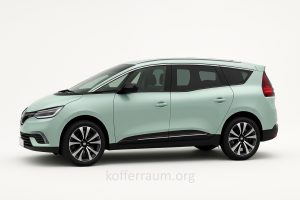
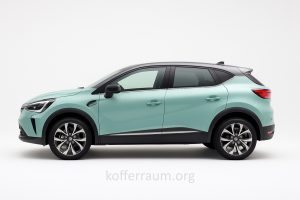
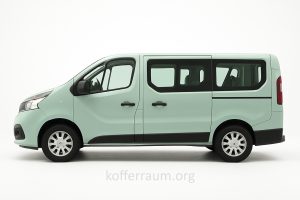
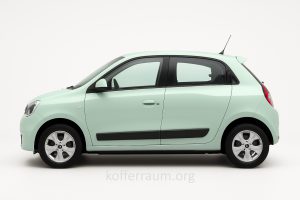
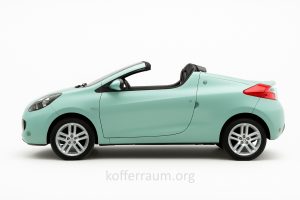
Renault has carved a distinct place in automotive history, a French marque whose practicality, affordability and French flair have shaped family cars and city hatchbacks for more than a century. From early racing grit to contemporary electric propulsion, Renault’s story is about making mobility accessible without surrendering character.
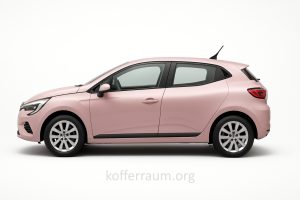
The tale begins at the turn of the 20th century, when Louis Renault and his brothers built the company into a global player. The early years were defined by engineering pragmatism: compact, reliable cars that could be bought by ordinary people. The 4CV and Dauphine cemented Renault’s reputation for efficient packaging and clever use of space, while the legendary Renault 4, debuting in the 1960s, became the quintessential economical family car. Later, the Renault 5, then the Megane and Clio, demonstrated how French design could blend everyday practicality with a touch of theatrical style. These models did not merely transport people; they shaped daily life across Europe and beyond.
Design language at Renault has long married function with a distinctive visual identity. Under the direction of leading designers, the brand has embraced sculpted surfaces, practical interiors and confident, modern lighting signatures. The modern Renault line-up often features the signature C-shaped light graphics and a bold grille that signals a fresh, contemporary identity. But the essence remains the same: an emphasis on usable space, comfortable ergonomics and a sense of joie de vivre that makes family cars feel less prosaic.
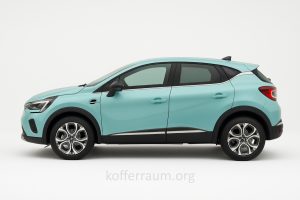
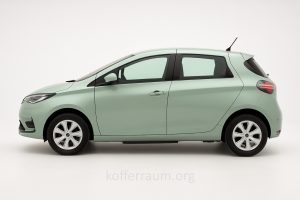
A turning point came with the Renault-Nissan-Mitsubishi Alliance, a collaboration that reshaped the industry’s approach to scale, technology and electrification. Renault’s early push into electric motoring bore fruit with the Zoe, one of Europe’s best-selling electric cars, paired with a broad charging network. The alliance accelerated platforms and propulsion developments that enabled Renault to offer affordable electrification across segments. Today, Renault continues to expand its E-TECH engine family, combining hybrid and plug-in hybrid options with increasingly capable electric models such as the Megane E-Tech Electric and the growing Clio and Captur electrified variants. The result is a portfolio that makes the shift to cleaner mobility easier for a broad audience.
Renault’s breadth remains impressive. In passenger cars, it offers compact hatchbacks, small crossovers and family SUVs in a price-to-value equation that keeps it competitive in Europe and beyond. In commercial, Renault trades on practical vans and reliable light commercial vehicles that underpin urban delivery networks and small businesses. The group’s broader ecosystem includes Dacia, its value-focused sister brand, which complements Renault’s more design-led offerings, ensuring a comprehensive footprint in many markets.
Looking ahead, Renault’s roadmap is clear: electrify the core range, enhance in-car connectivity and software, and continue to offer affordable, well-engineered vehicles that address real-world needs. The brand’s enduring appeal lies in its ability to mix practicality with a distinctly European sensibility, a combination that remains compelling in today’s rapidly changing automotive landscape.
Renault’s past and present prove the brand can blend everyday usability with forward-looking tech, keeping it relevant as mobility evolves. From city hatch to electric family car, Renault tells a coherent story of value and engineering.