



Saab remains one of the most singular names in modern motoring: a Swedish badge shaped by an aviation heritage and a reputation for rational, robust engineering. It is a brand that combined turbocharged performance with everyday practicality long before turbo power became commonplace. Even now, Saab’s appeal lies as much in its philosophy as in its metal: a car that feels approachable, safe, and capable of delivering a little extra when you press the accelerator. It is a small marque with a stubborn identity, celebrated by enthusiasts for its honesty and its willingness to be different.
Originating as Svenska Aeroplan Aktiebolaget, Saab began life in aviation before turning its attention to road cars after the Second World War. The transition yielded a family of models built for longevity rather than flash. The 99 Turbo, released in the late 1970s, is widely credited as one of the first mainstream turbocharged family cars, a move that shaped Saab’s sportiness for decades. Since then, aerodynamics, tall glass, and the distinctive hockey-stick C-pillar have defined Saab’s visual identity, while the company’s engineering emphasis remained practical and robust through the 900 and 9000 generations.
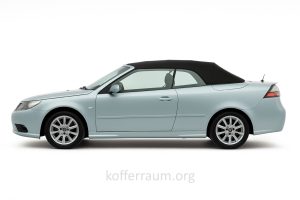
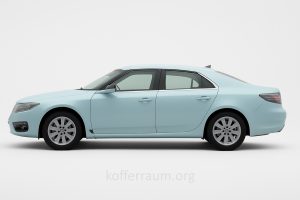
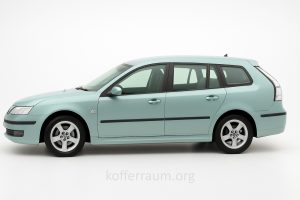
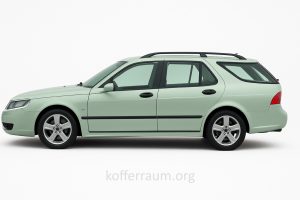
Across the 1990s and early 2000s, Saab offered a credible blend of everyday practicality and rally-inspired flair: the 9000, a long, comfortable sedan; the 9-3 and 9-5 families that balanced comfort with a degree of Scandinavian restraint. Safety was a design discipline rather than a slogan, with strong cabin protection, solid chassis tuning, and, in many markets, all-wheel drive as an option. The GM era produced catchy derivatives like the 9-2X – affectionately dubbed the Saabaru – while keeping a loyal following for its turbocharged engines and distinctive interior ergonomics.
Saab’s story took a downturn in the 2010s when financial pressures culminated in bankruptcy in 2011. The brand’s assets changed hands, and its automotive ambitions were picked up in various forms by NEVS and others, with the intention of returning to production as an electric or hybrid marque. Yet the revival has been iterative rather than definitive, and no new mainstream Saab passenger cars have rolled off a factory line for years. The name persists in clubs, archives, and a dedicated fanbase that still associates Saab with a rare, unpretentious sporting personality—the kind of ethos that small, independent brands have long nourished in the public imagination.
In a marketplace crowded with crossovers and feature wars, Saab remains a reminder that a brand can be more than a badge: it can embody a clear set of values about safety, engineering honesty, and driving pleasure. The legacy lives on in classic cars, in clubs, and in the stories of enthusiasts who still insist on the Saab way. If the name ever returns, it will face a demanding task: to recapture the balance of rationality and exhilaration that made Saab memorable, yet to translate it for a new generation of customers and a transformed industry. Its influence is felt in the way cars are designed to feel honest and durable, rather than flashy.