
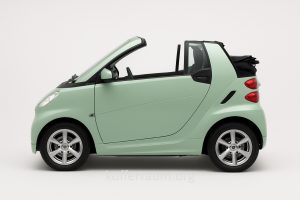
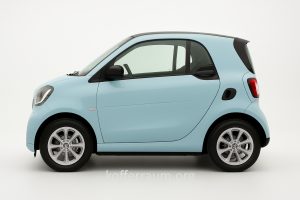
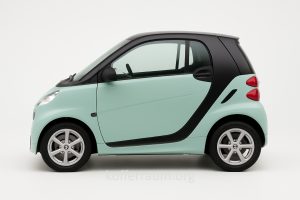
Smart has always known how to punch above its weight in the city. As a brand built for narrow streets and tight parking, it has carved a distinctive niche: a compact, clever car that promises urban freedom without the usual compromise. Since its inception at the end of the 1990s, Smart has been more about clever packaging, efficient efficiency and a playful design language than about sheer horsepower. And through shifts in ownership, technology and strategy, the core idea remains intact: smaller is smarter.
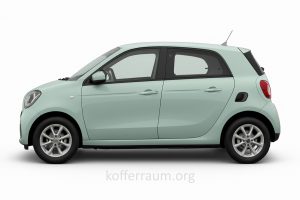
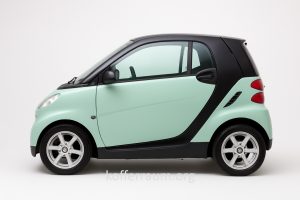
The Smart story begins with a bold idea: a collaboration between Daimler and the Swiss watchmaker Swatch to create a new kind of city car. The result was the Fortwo, a two-seater that could squeeze into gaps others would miss and could be parked almost anywhere. Central to its engineering was the Tridion safety cell, a rigid frame that encases the occupants and supports the car’s lightweight body. The Fortwo’s diminutive footprint was matched by doors that opened in distinctive, practical ways, and by packaging that made the most of every square inch. The Forfour later joined, offering a compact four-seat option while preserving the same city-friendly footprint. It was, and remains, a car designed for urban rituals: a dash to the market, a quick corner through traffic, a confidence-inspiring reverse into a tight bay.
Design-wise, Smart has always leaned into personality. The cars look compact but feel surprisingly roomy inside, with high seating positions for visibility and a tall, airy feel that gives a sense of space uncommon in a city car. The short overhangs, tight turning radius and clever storage solutions translated the idea of “less space” into “more room to move.” Early models emphasised modularity and colour; later iterations refined those cues into a modern, premium urban proposition that could wear both bold colours and more restrained tones with equal ease.
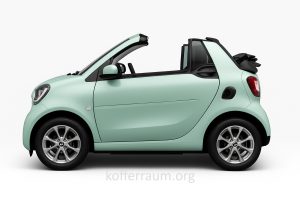
Electric propulsion gradually became Smart’s shared language. The brand’s journey toward electric city cars accelerated in the 2010s, culminating in an electric-first strategy that redefined its line-up. The Fortwo and its four-seat sibling gained electric variants, and the badge carved out a reputation for clean, quiet, city-centre performance. In the early 2020s, Smart announced a new phase characterised by a deeper collaboration with Geely, shifting production focus and product development toward an electric-only future. The result was and remains a brand intent on redefining urban mobility: compact by design, nimble in use, and increasingly connected through digital services and sustainability.
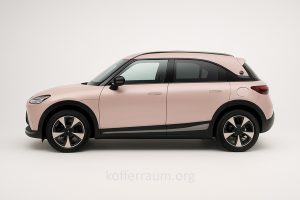
Today, Smart sits at an interesting crossroads. It is less a mass-market rival to the segment’s mainstream compact rivals and more a specialised tool for city life: easy to park, easy to live with, and easy on the environment. Its latest products, built with a global partnership, aim to keep the original promise: a tiny footprint, big practicality, and a sense of fun that makes the daily commute feel lighter. For city dwellers who want simplicity without sacrificing character, Smart remains a favourite choice—an emblem of urban mobility that refuses to compromise on cleverness.