








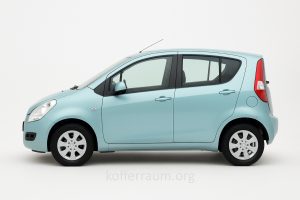



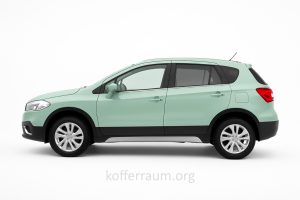

Suzuki has carved a distinctive niche in the automotive world: a maker of small cars with big practicality, rugged crossovers, and a reputation for value that keeps buyers coming back. In an era of performance metrics and electric hype, Suzuki’s formula remains steadfastly simple: lightweight engineering, efficient powertrains, and packaging that makes every kilometre feel easier. It is a brand built on utility, not flash, and that approach has earned it a loyal following across Europe and beyond.
The company’s story begins far earlier than many expect. Originating as Suzuki Loom Works in 1909, the firm shifted to automotive ambition in the mid‑twentieth century, giving the world the Suzulight in the 1950s and laying the groundwork for the compact-car revolution that followed. In Europe, Suzuki became synonymous with small, affordable city cars that were surprisingly versatile. The Swift, the Vitara family of compact SUVs, and later the Baleno and S‑Cross, demonstrated Suzuki’s knack for clever packaging: more usable space inside, without forcing the car to grow unwieldy on the outside. The brand’s durability is often anchored in how smoothly it handles daily life—from tight urban corridors to weekend escapes.
Design language at Suzuki is practical rather than dramatic. You’ll find simple, well-thought-out interiors, easy-to-use controls, and a focus on real-world usability. Techniques such as compact dimensions with generous interior space, and the option of all-wheel-drive on several models, have long appealed to buyers who want something that can cope with UK weather and rural lanes without pretence. The Jimny, in particular, is a case study in the virtue of a purpose-built tool: a tiny, go-anywhere 4×4 that looks like a throwback but delivers genuine off-road capability. Its boxy exterior is more than a stylistic quirk; it signals Suzuki’s readiness to offer capable machines in a small footprint.
In today’s market, Suzuki continues to balance petrol efficiency with practical electrification. The range, including the popular Swift and Ignis city cars, often emphasises light weight and economical engines, and in many territories, mild-hybrid technology has been introduced to improve efficiency without complicating ownership. In parallel, Suzuki’s SUV line–Vitara, S‑Cross, and the larger models–remains oriented toward value, comfort, and versatility. The brand’s approach has always been to do more with less, a philosophy that resonates with buyers seeking dependable transport rather than aspirational excess.
Global collaborations have also shaped Suzuki’s modern trajectory. A notable partnership with Toyota has accelerated electrified developments and shared technologies, allowing Suzuki to access broader expertise while maintaining its own identity. This cooperation complements Suzuki’s core strengths: affordable ownership, easy maintenance, and vehicles that are genuinely useful for real life, not just showroom showcases.
In the British market, Suzuki endures because it answers a simple question many drivers ask: can you get a reliable, economical car that also feels reasonably capable in rough weather or on a weekend adventure? The answer, time after time, is yes. Suzuki remains a brand that delivers practical mobility with sincerity, and that is a compelling proposition in a landscape defined by rapid change and high expectations.