



Vauxhall has long been a fixture of British motoring, a brand that wears its practicality with quiet pride. From its origins as the Vauxhall Iron Works in south London to its modern role within Stellantis, the company has built a reputation for cars that are easy to own, easy to drive and easy to live with. The first Vauxhall automobiles appeared in the early 20th century, and the name quickly became entwined with everyday mobility for families, couriers and commuters alike. When General Motors acquired the company in 1929, Vauxhall gained access to modern engineering, scale and a European network that would shape its products for decades.
Under GM’s umbrella, Vauxhall grew into a distinctly British champion that still bore the stamp of continental engineering. The Opel-Vauxhall partnership meant shared platforms and engines, translating into familiar models that could be tuned for UK roads. The badge, centred on the griffin emblem, remained a reassuring sign of value and durability as new generations of drivers joined the brand. Even as the wider industry reorganised itself, Vauxhall maintained a clear mission: to make practical, well‑equipped cars that stood up to daily use without demanding a premium.
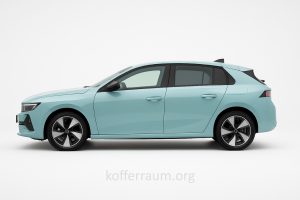
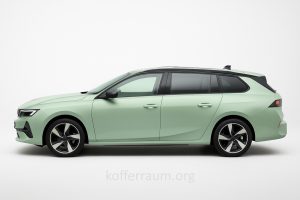
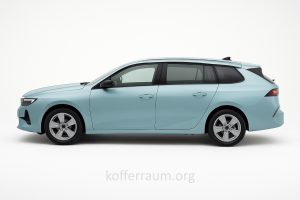
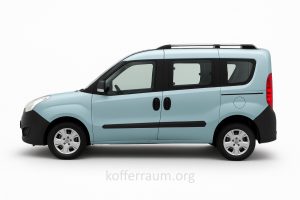
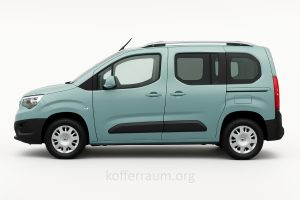
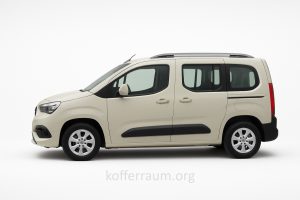
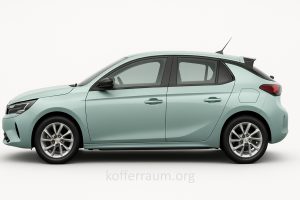
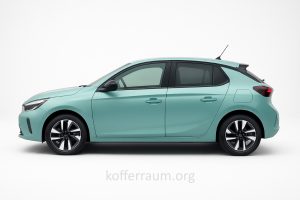
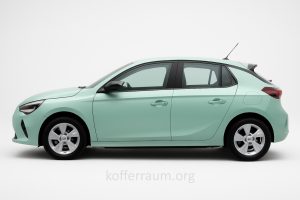
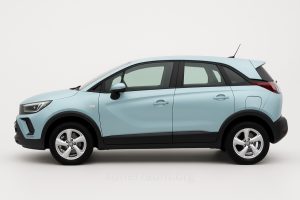
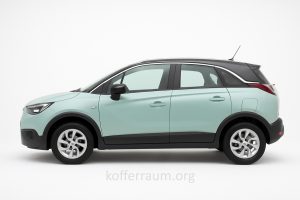
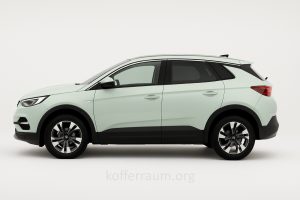
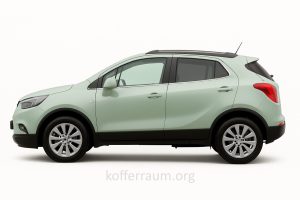
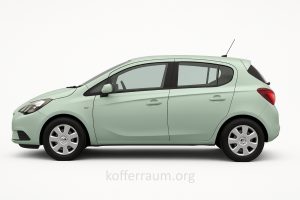
Today, Vauxhall’s model line‑up speaks to the needs of modern Britain. The Corsa remains one of the best‑loved superminis, thriving on convenience, efficiency and a surprisingly polished driving feel for its size. The Astra, continually refreshed, offers a more refined family hatch with better materials and ergonomics. In the SUV segment, the Mokka and the Grandland X blend compact size with clever packaging and usable technology. For commercial customers, Vauxhall’s vans—from the practical Combo to the versatile Vivaro—remain reliable workhorses that form the backbone of countless small businesses and fleets.
Design language has evolved without losing the brand’s fundamental traits: straightforward controls, generous interior space and a rational approach to technology. Recent models balance bold detailing with ergonomic simplicity, mirroring the UK market’s appetite for cars that are pleasant to own rather than flashy to show off. The electric shift is a focal point for Vauxhall’s future. The Corsa-e and Mokka-e demonstrate that practical electric driving can be accessible, with real‑world charging endurance and liveability at the fore. In addition, plug‑in hybrids and more efficient engines continue to broaden the portfolio.
Vauxhall’s story is also a tale of the people who buy and drive its cars. It remains a mass‑market brand with a distinctly British leaning, supported by a wide dealer network and a pragmatic approach to servicing. As the industry moves towards electrification and tighter emissions targets, Vauxhall’s blend of value, dependability and national heritage gives it a practical, recognisable place in Britain’s automotive landscape. The griffin may be small, but it is unmistakably Vauxhall: approachable, sensible and confident on every road.