
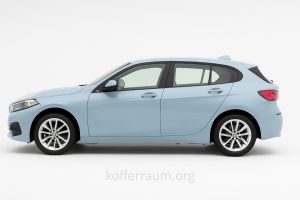
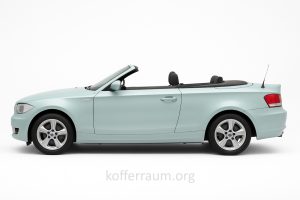
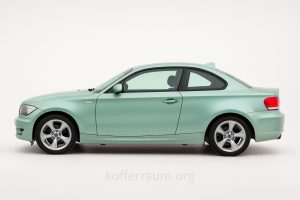
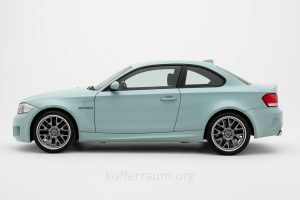
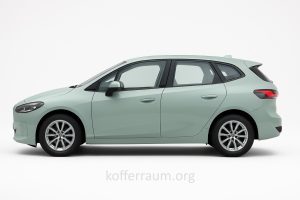
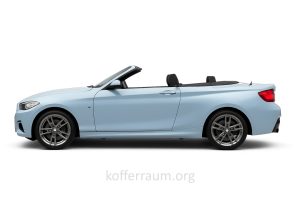
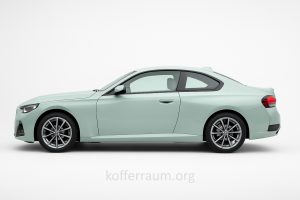
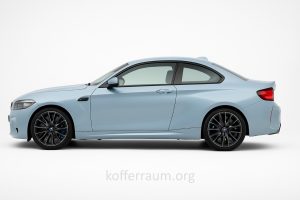
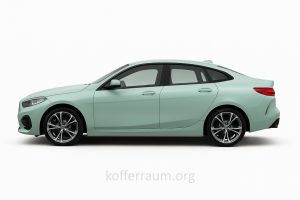
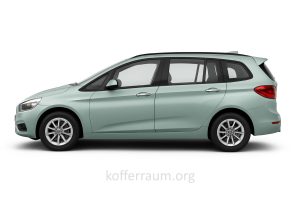
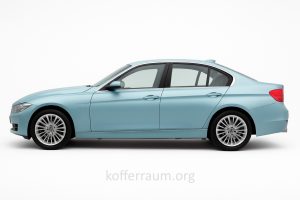
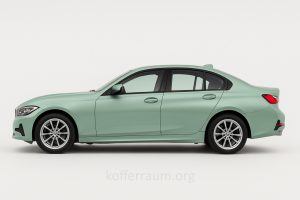
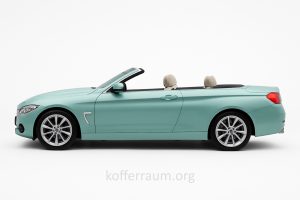
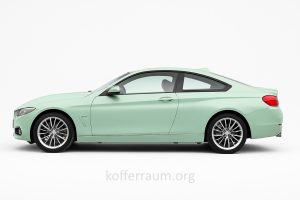
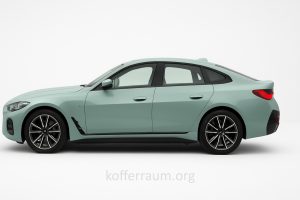
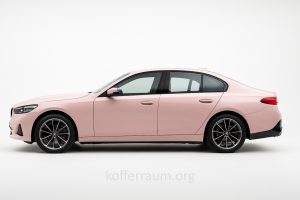
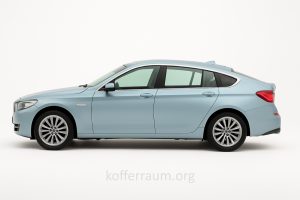
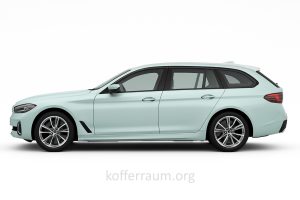
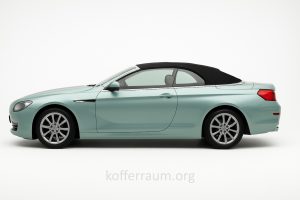
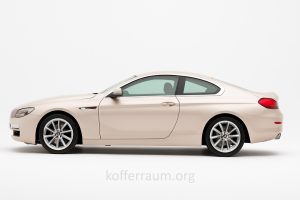
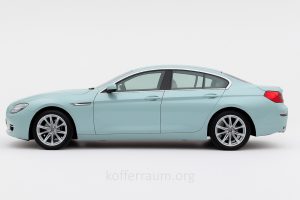
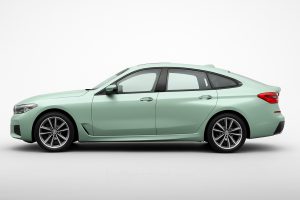
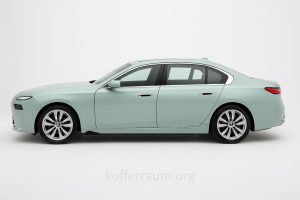
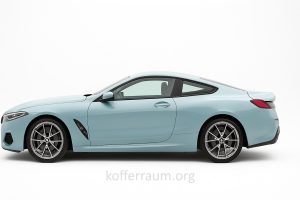
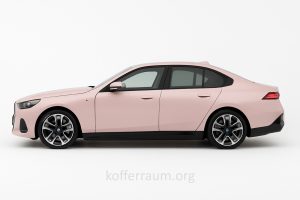
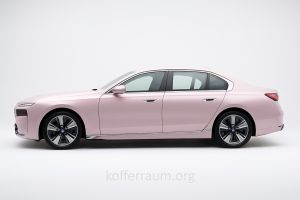
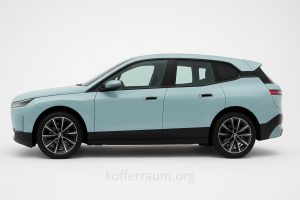
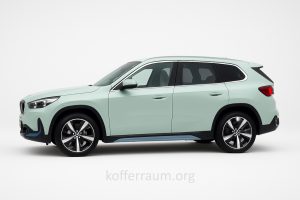
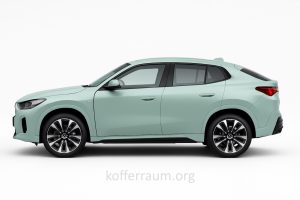
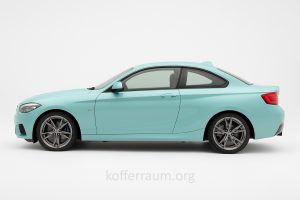
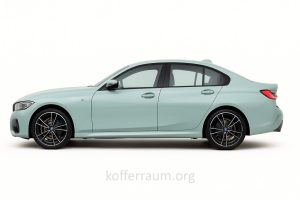
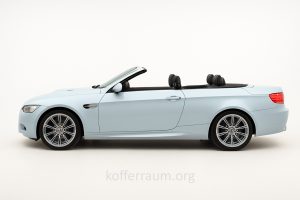
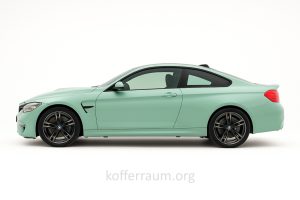
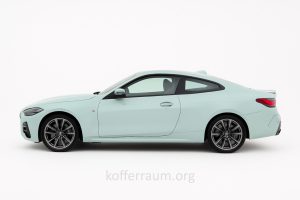
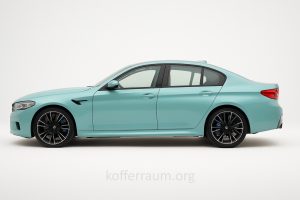
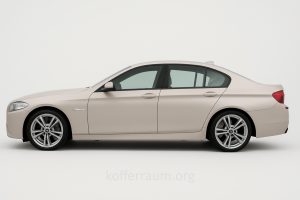
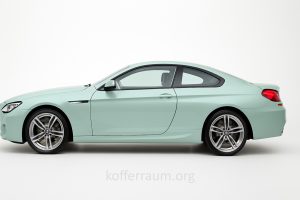
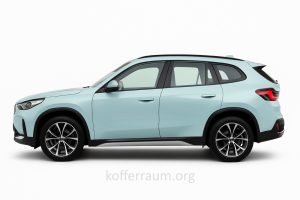
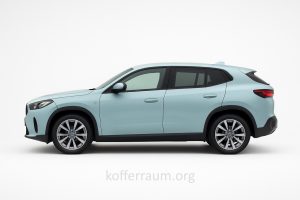
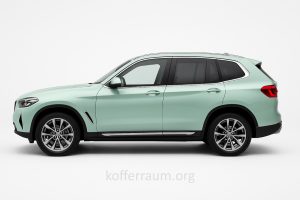
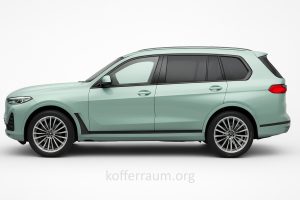
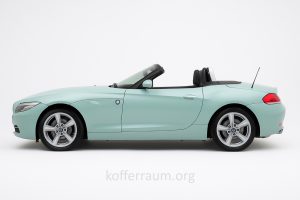
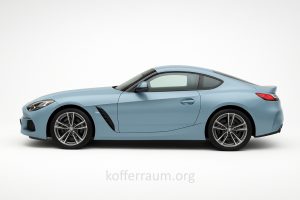
BMW has long stood for a precise idea of mobility: cars that reward the driver with controlled handling, solid engineering and refined comfort. From Munich to showrooms worldwide, the badge signals not just premium status but a philosophy of balance: performance without showiness, luxury without compromising the road feel. In an industry obsessed with ever tighter segments, BMW’s output remains recognisable for its blend of speed, steering feedback and everyday usability.
Founded in 1916 as Bayerische Motoren Werke, the company began as an aircraft-engine maker in Bavaria. The post-war era forced renewal, and the late 1950s and early 1960s produced the Neue Klasse, the first modern BMW. The 3 Series, launched in the early 1970s, established a template: compact dimensions, a precise chassis and propulsion that emphasised driver involvement rather than mere power.
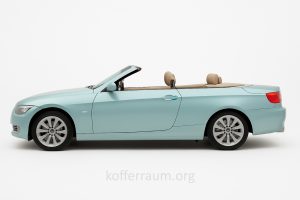
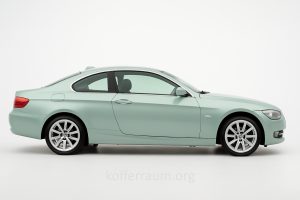
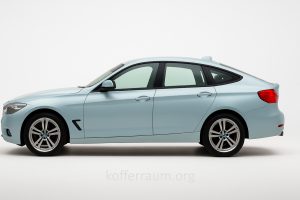
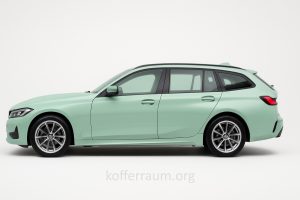
BMW’s design language has evolved yet endures in core cues. The kidney grille, the Hofmeister kink in the rear window, and a focus on near-perfect weight distribution are not merely aesthetics; they define what a driver can expect. The 3 Series, 5 Series and later the 7 Series became benchmarks for executive sport sedans, while M models translated speed into cadence and grip.
Technologically, BMW blends driver-orientation with progress. iDrive centralises information with intuitive controls; xDrive distributes torque where needed; Efficient Dynamics aims to extract every joule from fuel. M models show how engineering becomes engagement: responsive engines, precise steering and chassis tuning that makes even ordinary roads feel purposeful. The brand’s philosophy remains that the best car is the one that makes the driver feel most alive behind the wheel.
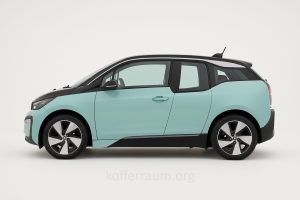
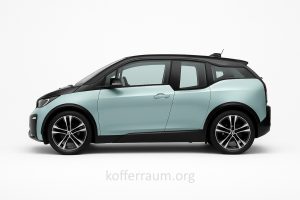
Electrification marks the most visible shift. The i sub-brand introduced EVs such as the i3 and i8, while current line-up mixes plug-in hybrids with full electrics, extending driving pleasure into a cleaner era. BMW also aims to decarbonise products, factories and supply chains, with net-zero goals by mid-century. Range, performance and sustainability are converging, and BMW’s engineering culture pushes the boundary where electric power meets the driving experience of combustion.
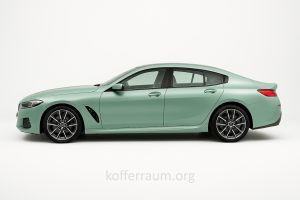
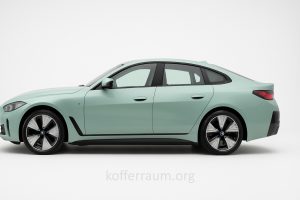
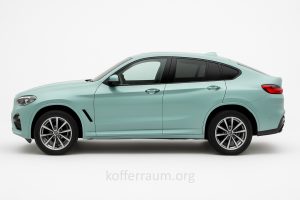
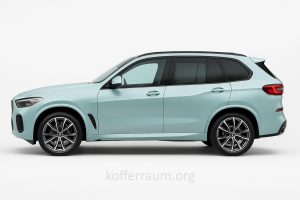
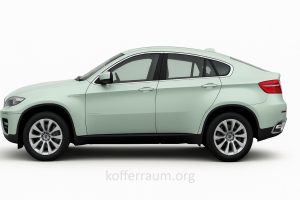
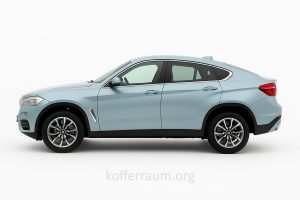
Today, BMW’s portfolio spans compact executive cars, SUVs and high-performance M models. The 3 Series and its rivals stay central; the X-range expands capability; and the latest iX and i4 offer convincing cases for electrified luxury. In a rapidly changing world, BMW’s promise endures: a car that looks forward without losing the feel of the road. For many enthusiasts, that is why the brand remains not merely a badge—it is a tradition.