




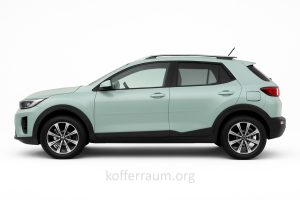
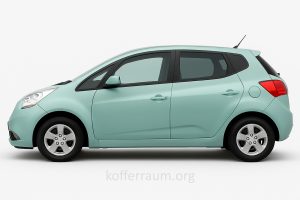
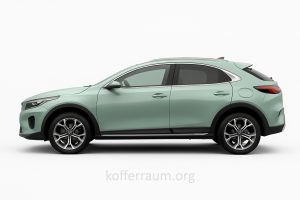
Kia has quietly reinvented itself from a practical value option into a design-led, technology-rich brand that people actually want to buy. For decades it was associated with affordability rather than excitement, but today Kia is widely regarded as a reference point for reliable value, strong warranties, and modern design. The transformation did not happen by accident. It began with a strategic move within the Hyundai Motor Group, a bold design language, and an ambitious electrification plan that has only accelerated in the last few years.
From its origins in 1944 as KyungSung Precision Industry to its first automobile programmes in the 1970s and 1980s, Kia steadily broadened its range. The turning point came with the arrival of design chief Peter Schreyer in the mid-2000s, whose Tiger Nose grille became the brand’s signature feature. The new visual identity coupled with improved build quality and more sophisticated engineering gave Kia a credible claim to be more than a budget option.
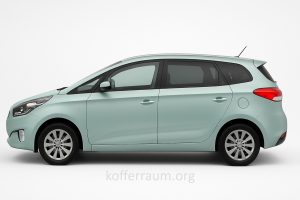
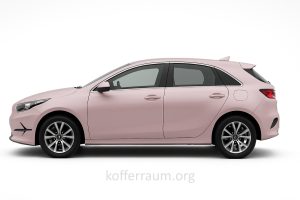
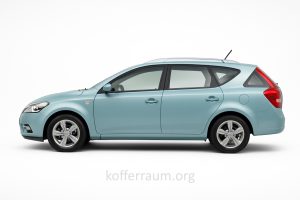
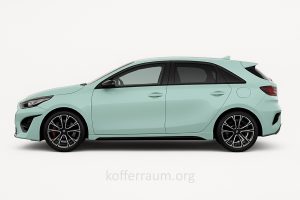
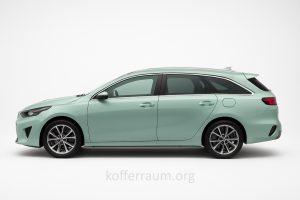
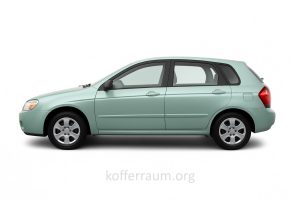
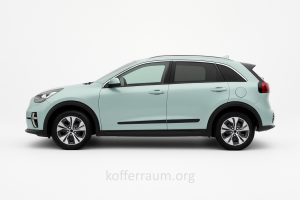
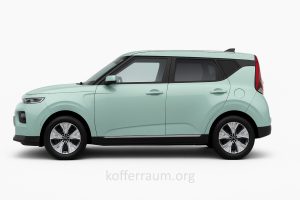
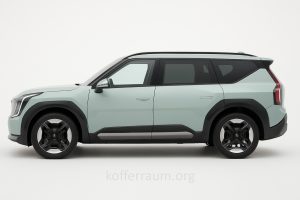
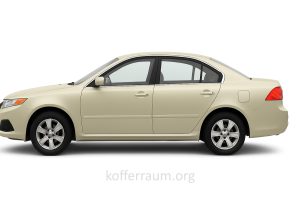
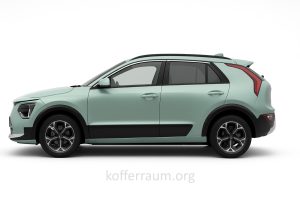
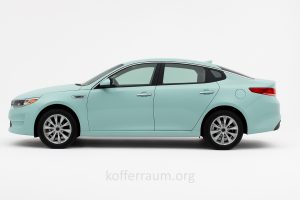
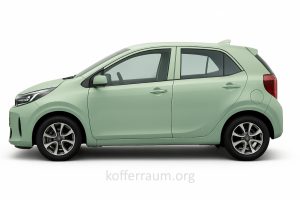
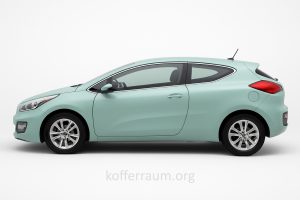
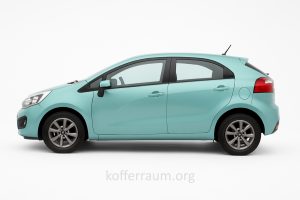
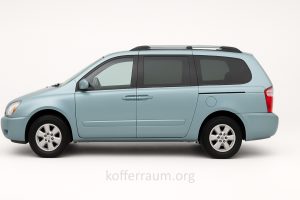
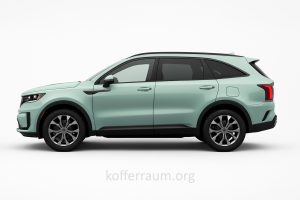
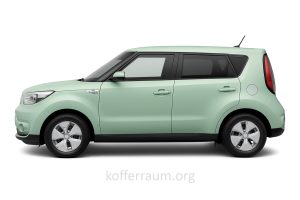
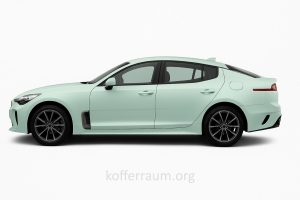
Today, Kia’s line-up spans compact hatchbacks to three‑row SUVs, with cars such as the Ceed family, Sportage, and the practical Niro family. The Soul’s distinctive shape, the Stonic crossover, and the evergreen Forte/Optima-style models show a balance between practicality and personality. In Europe and the UK, the emphasis on refinement, efficient petrol and diesel engines, plug‑in hybrids, and fully electric models has widened the appeal. Crucially, the brand has backed its promises with industry‑leading warranties — often seven years or 100,000 miles — which reassures owners over long‑term costs and parts availability.
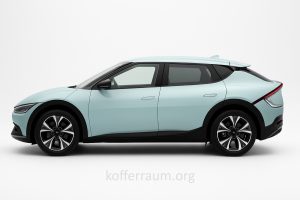
Under the bonnet, Kia pairs clever engineering with modern technology. Expect efficient turbocharged petrols, and in certain markets, smart diesels, alongside class‑leading electrified powertrains. The electrified line‑up has grown rapidly, with the EV6 grabbing headlines for its rapid charging, roomy interior, and dynamic handling, while the Niro and Soul EVs offer accessible routes into electric driving. On the safety front, Kia equips most models with a comprehensive suite of driver‑assist systems, rich infotainment, and connectivity that remains intuitive even on longer journeys.
Beyond hardware, Kia markets itself as a brand with a human‑centred approach. Its design language evolves to create visually striking, yet practical cars that feel confident on the motorway and nimble in town. The Telluride and Carnival in markets further afield demonstrate Kia’s capability to deliver family mobility with simplicity and style. Globally, production and supply chains are diversified — from plants in Europe to partnerships in North America and Asia — ensuring competitive pricing and timely availability in the British market.
Looking ahead, Kia’s strategy centres on electrification, connectivity, and sustainable mobility. The company continues to invest in new platforms, battery technology, and software, aiming to reduce total cost of ownership while raising the driving experience. In short, Kia has moved from a pragmatic, value‑focused brand to a compelling all‑round package: attractive design, solid engineering, generous warranties, and a clear commitment to the future of clean, intelligent mobility in the UK and across Europe.