
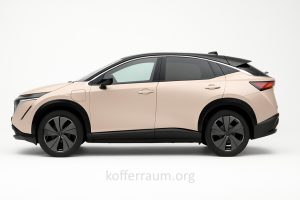
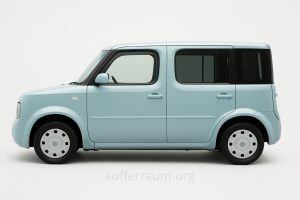
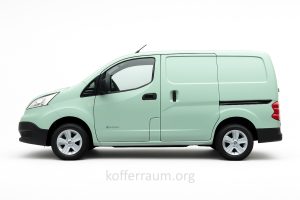
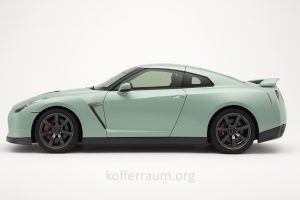



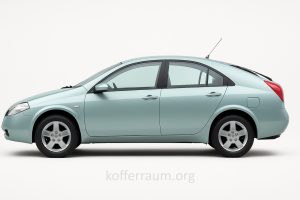

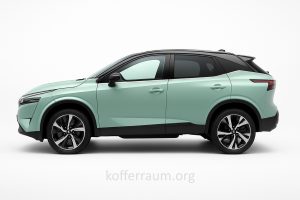
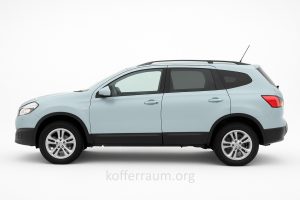

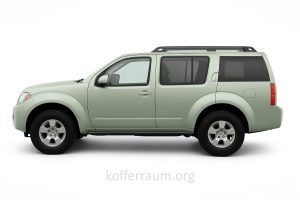
Nissan Motor Company sits at the heart of modern automotive storytelling: a Japanese marque that has earned global recognition for practical, well‑engineered cars with a touch of excitement. From compact city cars to high‑performance models and efficient family SUVs, Nissan has carved out a distinctive identity that prizes reliability, thoughtful packaging, and accessible technology. On British roads, Nissan products are familiar, trusted choices for daily commuting and longer trips alike. The brand’s strength lies in balancing everyday usefulness with character, a combination that has kept it relevant as the industry shifts toward new powertrains and smarter mobility.
Rooted in Yokohama and shaped by decades of global expansion, Nissan’s story blends early export success with steady adaptation to changing markets. The company grew from the Datsun era into a worldwide manufacturer, adopting a name that echoes Nihon Sangyō and signalling a broad, international ambition. While the Datsun badge still reminds many of the brand’s affordable beginnings, Nissan today spans the core segments—compact hatchbacks, SUVs, and performance cars—without sacrificing the practical engineering that has long defined its reputation.
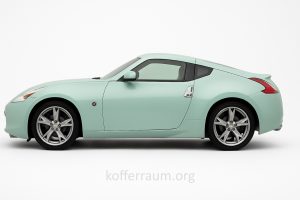
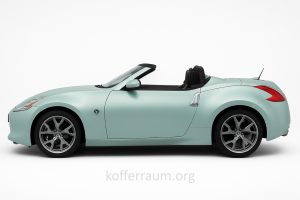
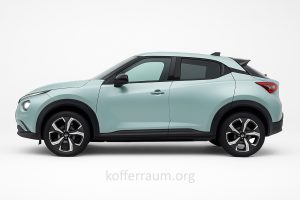
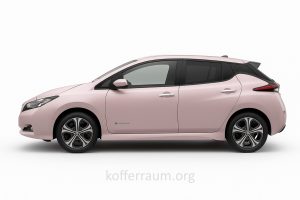
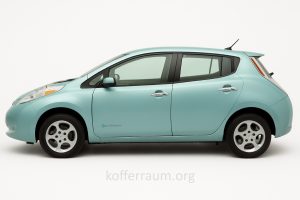
Historically, Nissan’s portfolio has delivered both excitement and utility. The Z‑car lineage—culminating in the 240Z and continuing in contemporary forms—demonstrates how accessible engineering can translate into spirited driving. In the late 2000s, the GT‑R cemented Nissan’s performance credentials, earning the nickname ‘Godzilla’ for its track‑ready pace under a relatively affordable banner. Off the road, Nissan also popularised electrification with the Leaf—one of the world’s best‑selling electric cars—while its crossovers, such as Qashqai and Juke, helped define Europe’s modern SUV segment with practical space and confident road manners.
Design and technology have evolved in step. The brand’s V‑motion grille and cohesive lighting cues give recent models a recognisable street presence, while ergonomic cabins keep comfort in focus. Nissan’s driver‑assist and electrified powertrains push ownership economics as well as safety. ProPILOT Assist offers hands‑off cruise on suitable stretches, and the e‑POWER system (in markets where it is available) provides a distinctive take on electric motoring by using a petrol engine to recharge the battery rather than to drive the wheels directly. These elements illustrate Nissan’s commitment to accessible innovation.
Globally, Nissan’s scale is reinforced by the Renault–Nissan–Mitsubishi Alliance, which has enabled shared platforms and improved efficiency across continents. In Europe and the UK, the network supports a diverse line‑up and a strong after‑sales footprint, helping the brand sustain loyalty as product cycles shorten and technologies advance. Looking ahead, Nissan is likely to push further into electrification, connectivity and autonomous tech while leaning on its heritage to deliver practical, engaging cars that suit real‑world life.
In sum, Nissan remains a credible, multi‑faceted player in the car market. Its appeal lies not in flash, but in a calm blend of reliability, value and driving enjoyment—an approach that will be crucial as the industry pivots toward electrification and smarter mobility. From the early Datsun days to the present, Nissan has built a practical, emotionally engaging form of mobility—cars that work on a winter commute as well as a sunlit coastal drive.