
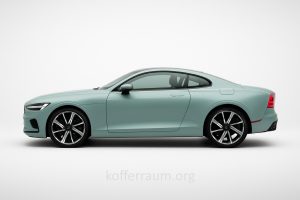

Polestar, the Swedish electric performance brand, has carved out a clear niche in a crowded field: minimal, design-led EVs paired with a serious commitment to sustainability and software-defined ownership. Born from Volvo’s performance legacy, Polestar has evolved into a standalone marque that speaks to drivers who care about both aesthetics and ethics. In the space of a few years, it has transformed from a curiosity on the cutting edge of electrification into a credible alternative for keen enthusiasts and practical families alike.
At the heart of Polestar’s appeal is its design language. Clean geometry, crisp lines and a restrained silhouette give each model a calm, confident presence. The interiors follow suit: restrained, bright and uncluttered spaces that feel more “studio” than showroom. Polestar’s use of vegan materials and recycled fabrics is more than a token gesture; it underpins a tangible sense of responsibility without compromising luxury. The Nordico interior option, which blends natural materials with durable textiles, is a thoughtful touch that reinforces the brand’s Nordic promise of simplicity and sustainability. The result is a cockpit that feels modern but never fussy—a space designed for effortless long-distance comfort.
Technology is another area where Polestar asserts its authority. The latest Polestars are defined by software-first thinking: over-the-air updates extend usability long after the purchase, and the cars benefit from a user experience that is intuitive rather than gimmicky. The Volvo-family DNA is evident in the safety suite and driver-assistance features, but Polestar pushes further with a focus on premium, responsive driving dynamics. The Polestar 2, in particular, has helped the brand establish credibility as more than just a design exercise, showcasing capable performance, solid efficiency and a dependable charging story to back up its day-to-day practicality. Android Automotive OS, with Google built-in in the cockpit, brings seamless digital functionality, from navigation to entertainment, bundled into a cohesive, distraction-averse experience.
Market positioning is telling. Polestar positions itself as a premium alternative to the more mass-market electric brands, trading some showroom volume for a distinctive identity, clear sustainability credentials and a tighter, more directly managed ownership experience. The company’s retail approach—lean showrooms, online configurator, and selective spaces—reflects a modern, friction-minimising ethos. Practically, customers benefit from straightforward pricing, transparent software rollouts and a service proposition that aims to be considered rather than intrusive.
What does all this mean for the future of Polestar? The brand’s path hinges on maintaining its unique balance: keep the design language unmistakably Polestar, push the technology envelope with OTA improvements and robust software integration, and continue to prove that sustainability can coexist with performance and luxury. If Polestar can sustain its factory discipline, iterate its range with purposeful model progression and expand charging and aftersales infrastructure, it has a strong case for becoming a lasting, influential player in the electric era. In short, Polestar stands out not because it shouts the loudest, but because it quietly delivers a thoughtful, well-rounded EV experience that respects both the driver and the planet.