
Tesla has become more than a carmaker; it is a technology platform that has redefined what consumers expect from an electric vehicle. Since its emergence in the late 2000s, the company has paired high-performance EVs with a distinctive software-driven approach, turning sustainability into a consumer proposition that many rivals now imitate. The mission, as articulated by Elon Musk, is to accelerate the world’s transition to sustainable energy—an ambition that extends well beyond cars to battery storage and solar solutions.
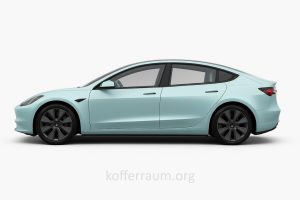
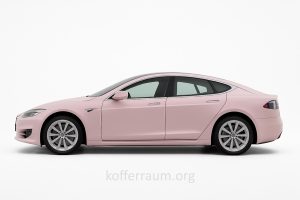
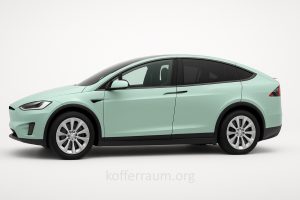
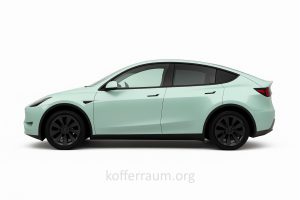
On the road, Tesla’s line-up—Model S, 3, X, Y—has become shorthand for brisk acceleration, long range, and a minimalist interior that relies on a large central touchscreen. The cars are engineered to feel coherent and simple, even when the underlying engineering is anything but. Range figures continue to stretch, and new iterations push efficiency, aerodynamics, and weight distribution. The design philosophy eschews extraneous embellishment in favour of function, which some observers describe as a premium minimalist aesthetic.
Technology is the brand’s true driver. Over-the-air updates routinely push new features, performance tweaks, and safety improvements to vehicles, sometimes months after delivery. The Supercharger network is another differentiator, enabling rapid charging across many markets and encouraging long-distance travel where infrastructure is improving. Autopilot and its more ambitious FSD package promise hands-off driving in certain contexts, yet regulators and testers emphasise that the system remains a driver-assistance tool, not a substitute for human oversight. This duality—impressive capability paired with caveats—has shaped the public conversation around Tesla’s technology.
Manufacturing is as much a story as the software. Tesla’s factory footprint spans Fremont, California; Shanghai; Berlin; and Austin, Texas, among others. The company’s insistence on vertical integration—owning many software and hardware components from battery cells to the vehicle computer—has allowed rapid iteration and scale, but it has also presented challenges in supply chains and quality control. The introduction of more affordable models was long anticipated, with the aim of moving from early adopters to mainstream buyers and fleets.
Beyond cars, Tesla’s energy endeavour tests the wider question of how a brand can integrate generation, storage, and transport. Powerwall and Megapack energy storage, alongside the Solar Roof and related products, are meant to create an end-to-end ecosystem. The appeal is clear: reduce emissions while simplifying energy management, often with the lure of cost savings over time. Critics point to service experiences, update-induced bugs, and the price premium as reasons to proceed cautiously; supporters point to the scale of the transition and the brand’s ability to mobilise public imagination as compelling reasons to persevere.
Tesla’s story is not merely about vehicles; it is about platform ambition, software-defined hardware, and persistent growth in a sector that demands both reliability and ingenuity. As competition stiffens, the company will need to maintain its velocity—balancing safety, governance, and innovation—if it is to remain at the forefront of electric mobility. For many observers, the Tesla name remains a shorthand for what the industry wants to become: a bold mix of performance, sustainability, and technology, constantly pushing the boundaries of what an automobile can be.